Table of Contents
Sustainable closet organizers have become essential for anyone who wants to reduce environmental impact without sacrificing organization or style.
Key Takeaways
- Truly sustainable closet organizers use materials like bamboo, recycled wood, and reclaimed components, though certified product details remain rare.
- Market demand and innovation suggest an eco-friendly shift, but real-world drawbacks include higher upfront costs and lack of clear durability data.
- Shoppers should research brands and scrutinize supply chain transparency to avoid greenwashing and maximize sustainable impact.
- What Makes a Closet Organizer Sustainable?
- How to Build an Eco-Friendly Closet: Step-by-Step
- Analysis and Common Pitfalls
- Conclusion
- FAQ
What Makes a Closet Organizer Sustainable?
Sustainable closet organizers aim to minimize environmental impact throughout their lifecycle—from raw material sourcing to disposal or recycling. Most sustainable options use renewable resources like bamboo, recycled woods, or plastics derived from post-consumer waste. Some brands, like California Closets, have introduced modular systems using sustainably sourced materials. The focus has shifted toward reducing carbon footprints and using less virgin plastic, reflecting growing consumer demand for sustainable home storage.
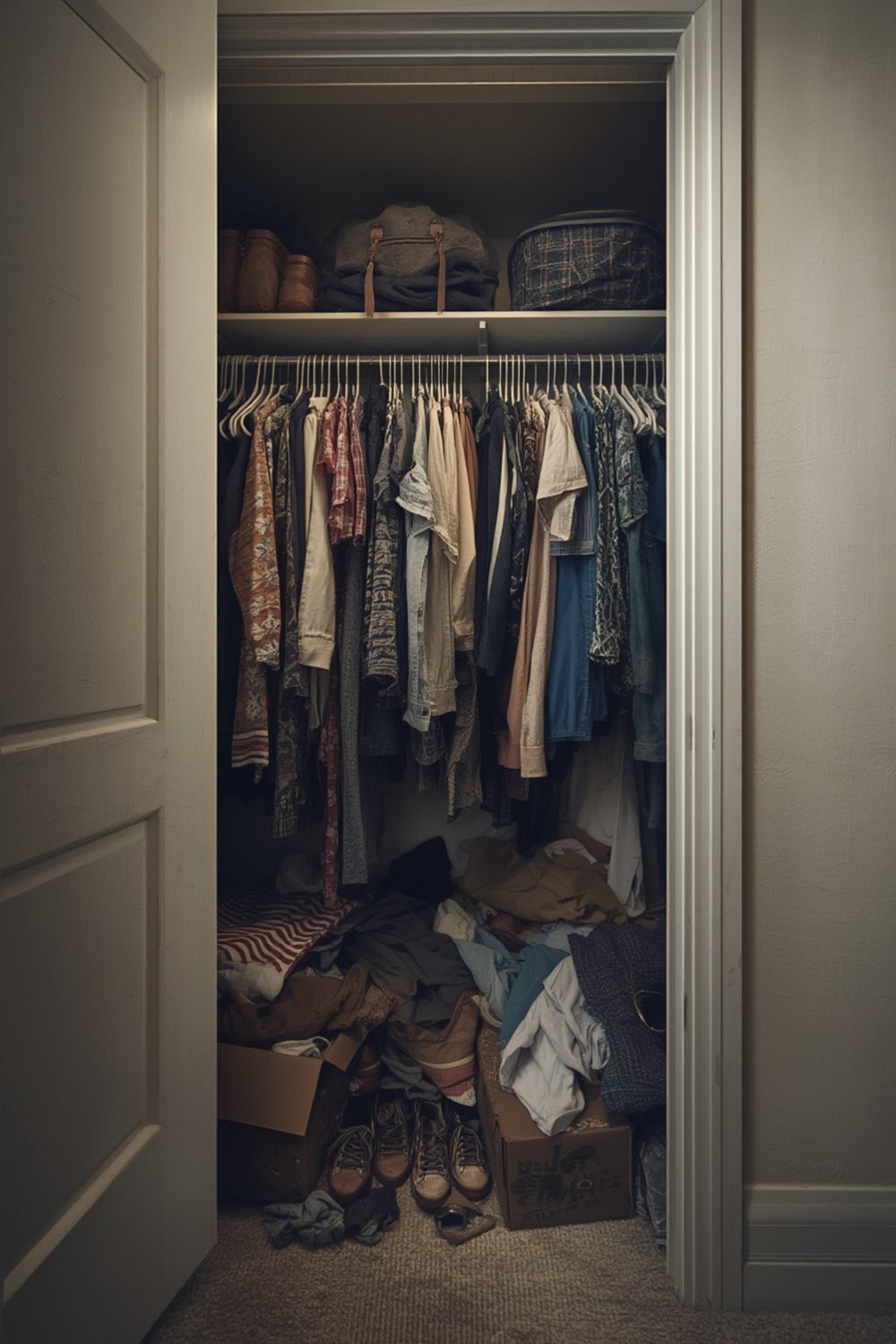
Quantitative data on the carbon footprint or landfill diversion between “conventional” and “sustainable” organizers is scarce, but market signals indicate a significant shift. For example, the global closet organizers market is projected to reach USD 7,642 million in 2025, with eco-friendly innovations as the top growth driver. More information can be found in this custom closets market report.
Without official certifications like FSC or GRS, most sustainable products simply note “responsibly sourced” or “recycled content.” As a shopper, carefully review material details and brand reputation. Browse the Eco-Friendly Closet Systems or Best Closet Storage Solutions for further inspiration and to compare mainstream and eco-friendly options.
How to Build an Eco-Friendly Closet: Step-by-Step
A sustainable closet upgrade can be simple or ambitious, depending on your needs. Here is an actionable guide for homeowners, renters, or anyone interested in sustainable closet organizers:
- Inventory & Purge: Go through your wardrobe. Donate, sell, or recycle what you no longer need. Use this closet cleanout checklist if you want a structured process.
- Design for Longevity: Choose modular and adjustable organizers so your system adapts as your needs change. Avoid single-use or poorly made options.
- Material Matters: Choose bamboo, reclaimed wood, or recycled plastic products. Prioritize brands that disclose sourcing details—even if few have advanced certifications.
- Mix & Match: Combine existing storage bins with new eco-friendly organizers. For instance, wooden crates can double as shoe racks, while repurposed jars can corral accessories.
- Smart Use of Space: Consider wall-mounted shelving or over-the-door hangers. These maximize storage without requiring lots of extra material. See our small closet organization ideas for advanced layouts.
- Dispose Responsibly: At the end of your organizers’ life, recycle or donate components when possible. Avoid sending bulky plastic to landfill.
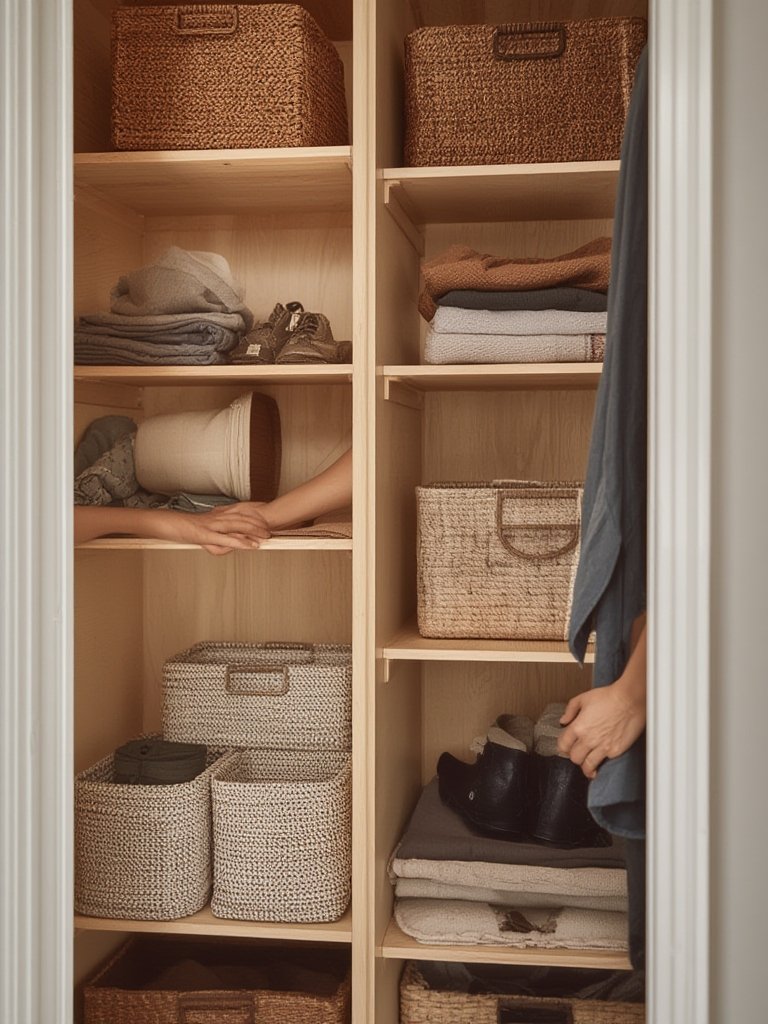
If you’re considering branded systems, California Closets’ new eco-modular units and IKEA’s PAX system are worth reviewing, despite the lack of 2026-specific sustainability documentation. Always read reviews and ask for supply chain transparency. For options that work in tight spaces, try our Closet Shelf Dividers Guide or Bamboo Drawer Dividers for Closet for targeted suggestions.
Analysis and Common Pitfalls
Every promising sustainable solution comes with potential issues. Here’s what to watch for when shopping for sustainable closet organizers.
- Durability Doubts: Although bamboo and recycled plastic are often marketed as long-lasting, no independent lab tests or head-to-head durability studies are published as of 2026. This means you might pay more upfront and get mixed longevity.
- Price vs. Value: Eco-friendly products frequently cost more than traditional plastic equivalents. No strong data supports the claim that higher initial investment always equals longer product lifespans or lower total cost of ownership.
- Lack of Certifications: Most companies simply label products “eco-friendly” without backing it up with transparent certifications like FSC or GRS. This opens the door for greenwashing.
- Poor Product Fit: Modular or customizable systems work great if correctly measured, but can disappoint if the unit doesn’t match your closet layout. Always check return policies.
- Limited Market Reviews: Because eco-friendly organizers are newer and evolving, you won’t find thorough user feedback or long-term reliability reports for many brands, even from top players such as California Closets or IKEA. Market trend overviews and forecasts are available in the global closet organizers market report.
| Feature | Conventional Plastic Organizers | Sustainable Bamboo/Recycled Organizers |
|---|---|---|
| Price | Generally low | Moderate to high |
| Durability | Varies; usually good | No third-party data yet |
| Certifications | Rare | Rare |
| Recyclability | Depends on local recycling | Better, if uncoated and non-laminated |
| Supply Chain Transparency | Limited | Some improvement, but not widespread |
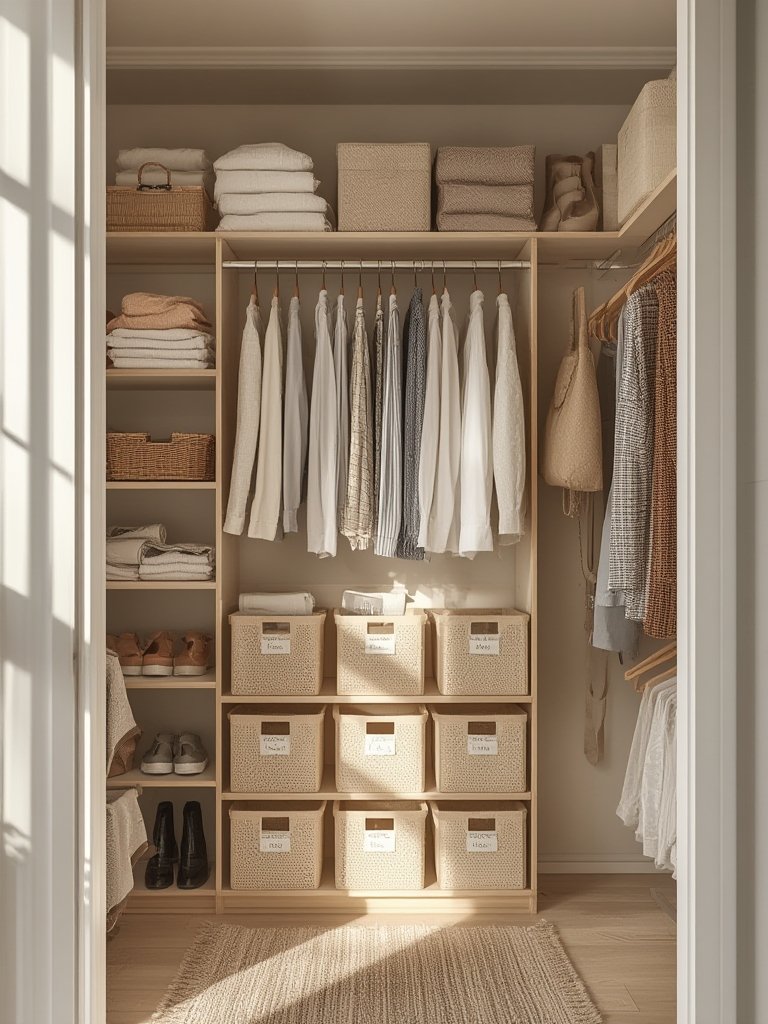
Before committing, study brand disclosures and consider emailing for additional information. For a full breakdown, check our Closet Organization Products Review where we track common complaints and performance data.
Conclusion
Sustainable closet organizers offer a clear path to making your daily routines more eco-friendly, but true transparency and third-party validation remain rare in 2026. When you select products made from bamboo, recycled, or reclaimed materials—and ask tough questions about sourcing—you drive market accountability. Want more practical tips for organizing with a conscience? Explore our other guides or start with one targeted sustainable accessory. Embrace small, consistent changes and you’ll create a lasting difference with your sustainable closet organizers.
Ready to transform your space and help the planet? Research options, compare reviews, and revamp your closet sustainably today.
FAQ
Are sustainable closet organizers actually better for the environment?
They can be, especially if made from renewable, recycled, or reclaimed materials. However, the lack of detailed life-cycle data and certifications means results vary. Try to choose products from brands with transparent sourcing and practices.
Is bamboo better than recycled plastic?
Bamboo regrows fast, uses less water, and is often biodegradable. Recycled plastic reduces landfill waste but may not always be recyclable again. Choose based on your needs as both have benefits when responsibly sourced.
How can I verify a product’s sustainability claims?
Look for certifications, supply chain transparency, and full material disclosures. If this information is missing, email the company or choose established brands like California Closets that note their sustainable approach, even if details aren’t exhaustive.
Do sustainable organizers last as long as regular ones?
We don’t have enough independent testing yet. Anecdotal reviews suggest most hold up well, but some recycled materials could be more brittle than virgin plastics. Always check warranty and return policies before buying.
Which brands are leading in sustainable closet design today?
California Closets have launched modular, eco-friendly systems. IKEA and Oppein have new offerings too, though supply chain details remain scarce. Prioritize brands that disclose as much as possible about sourcing.