Table of Contents
Modular closet storage systems are changing how homeowners approach organization, combining flexibility, adaptability, and modern design to fit any space. If you’re looking to control clutter, customize your closet, or tackle a DIY project, modular closet storage systems can deliver practical solutions that evolve with your needs.
Key Takeaways
- Modular closet storage systems let you reconfigure your space as your needs change, offering DIY-friendly options for nearly any budget.
- The latest market data predicts steady growth in modular closet demand, fueled by the appeal of adjustable designs and easy installation.
- Understanding typical pitfalls, true costs, and hidden limitations is crucial before you buy a modular system for your home.
What Are Modular Closet Storage Systems and Why Choose Them?
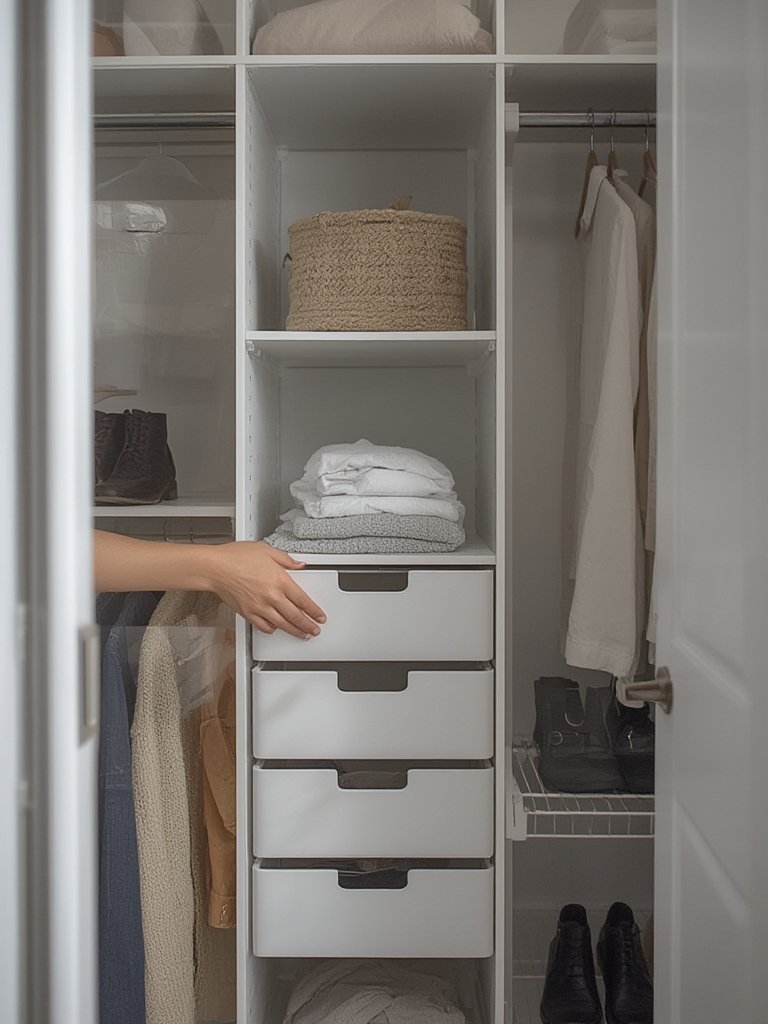
Modular closet storage systems are collections of adjustable shelves, racks, drawers, and compartments that you can configure to fit your space and preferences. Unlike traditional built-in closets, modular systems are designed to be flexible—install them in closets, laundry rooms, garages, or anywhere you need extra organization.
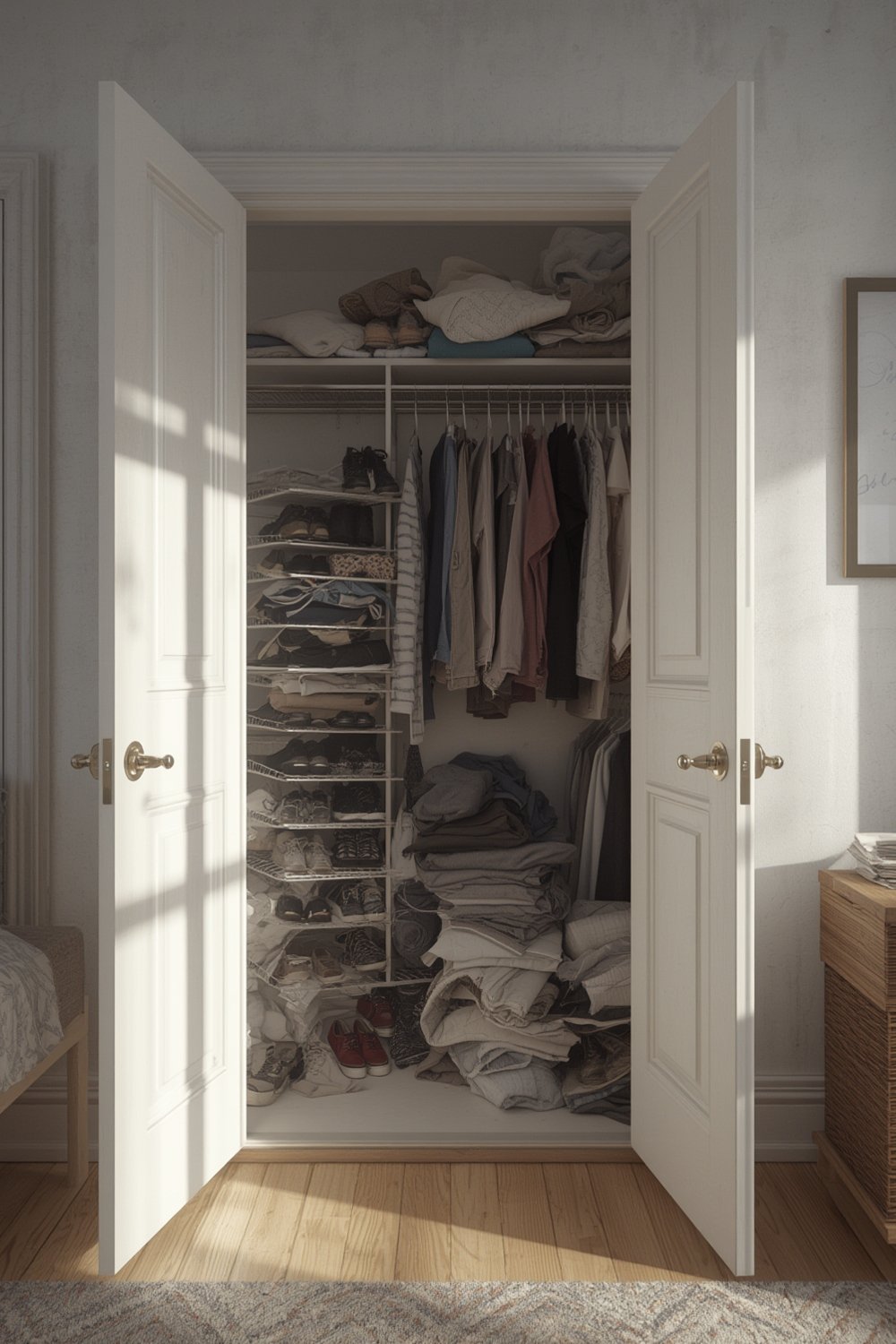
The main reason to choose modular closet storage systems is adaptability. As your storage needs change, you can easily add or remove modules, rearrange shelves, or swap bins for drawers. This approach is also more budget-friendly than custom built-ins and is accessible to DIYers with minimal tools.
According to recent data, the global modular closet market reached USD 8.4 billion in 2024 and continues to grow, with demand spurred by the trend for home improvements and small space solutions. If you want a practical example of a modular wire system that works in small closets, check our Rubbermaid closet kit review.
How to Plan and Install Modular Closet Storage Systems: Step-by-Step
Ready to get started? Here’s a practical, step-by-step approach for planning and installing modular closet storage systems:
- Assess Your Space: Measure your closet’s height, width, and depth. Map out where you want shelves, hanging rods, and drawers. For corners or irregular spaces, modular units make adjustments simple.
- Set Your Budget: Modular closet kits have a broad price range. Materials (metal, wood, laminate) and accessories drive costs. For renters on a budget, the Rubbermaid Configurations closet kit is one of the most flexible and affordable options available.
- Choose a System: Popular brands like IKEA, Rubbermaid, and ClosetMaid offer systems with strong track records. Prioritize adjustability and the ability to expand later.
- Design Your Layout: Many brands provide online planning tools to customize configurations before you buy.
- Order Components: Once your design is final, order just the modules you need.
- Install the System: Most modular closet storage systems are designed for homeowner installation. You’ll need a level, drill, screwdriver, and stud finder.
- Test and Tweak: Once installed, adjust shelf heights and placements. Add, move, or swap out modules as needed.
Advanced Analysis & Common Pitfalls
While modular closet storage systems are convenient, some issues tend to catch new users by surprise. Here are the most common pitfalls and practical solutions.
1. Hidden Costs
Pricing modular closet systems can be tricky. Entry-level kits start cheap, but costs can climb quickly as you add accessories. Always check the fine print before purchasing.
| System Type | Average Price Range (2026 USD) | Installation Difficulty | Expandability |
|---|---|---|---|
| DIY Modular Closet Kit | $150–$1,000 | Easy–Moderate | High |
| Custom-Built Closet | $2,500–$10,000+ | Professional Only | Low–None |
2. Common Installation Issues
- Difficulty mounting shelves to uneven drywall or old plaster.
- Missing hardware, unclear instructions, or factory defects with modular kits.
- Modules not fitting perfectly if walls are out of square—measure carefully.
3. Weight Capacity and Expansion Limitations
Metal closet rods hold up to 40-60 pounds, while wire shelves typically support 20-40 pounds per linear foot. Not all systems can be endlessly expanded — some brands discontinue product lines, which can limit later upgrades.
4. Durability and Adjustability Over Time
- Cheaper plastic connectors can loosen or crack after repeated adjustments.
- Metal tracks and brackets endure frequent changes but finish may scratch with rough use.
- Warranty terms can vary widely—always check coverage for defects.
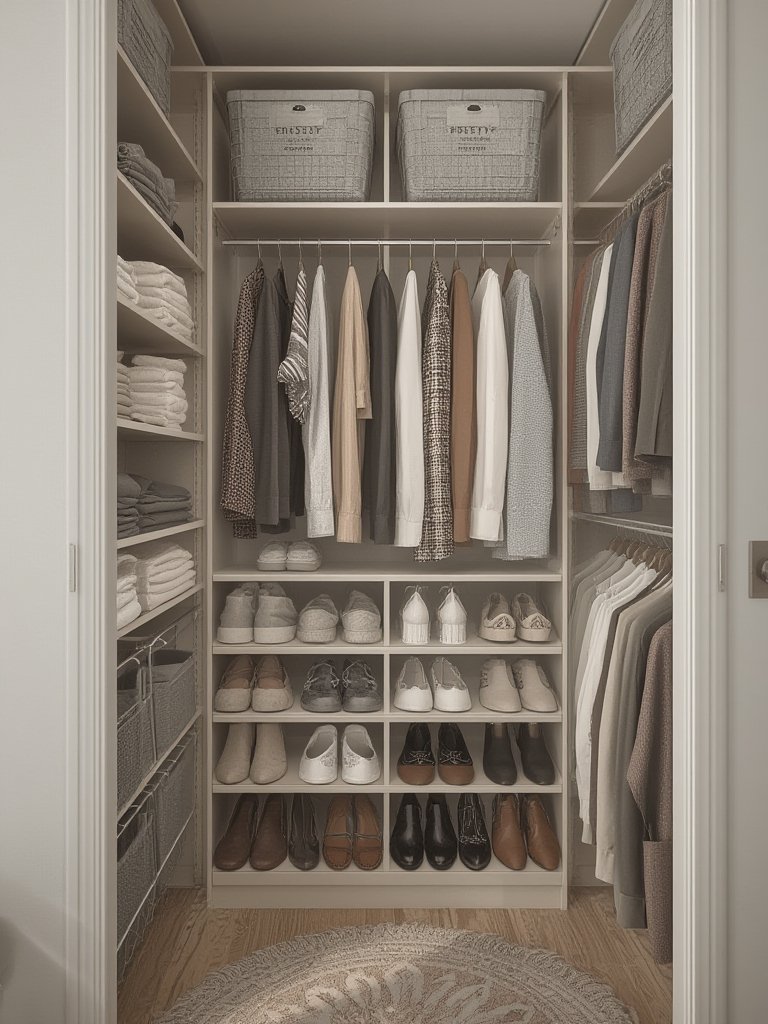
5. Lack of Custom Fit
Modular systems may leave small “dead zones” in oddly-shaped closets. For renters who need a no-drill modular solution that fits closets 4-8 feet wide, our Rubbermaid closet kit review covers one of the most flexible options on the market.
If you want up-to-date external reviews, consult this comprehensive research report on closet organizers.
Conclusion
Modular closet storage systems are a practical, adaptable solution for anyone looking to improve home organization without the cost of custom construction. By understanding installation steps, potential pitfalls, and hidden costs, you can confidently select the best system for your needs and budget. Start planning your updated closet today and transform how you organize your space. For a real-world product comparison, explore our small closet organizer systems guide or check our best closet organizers for small spaces roundup.
Frequently Asked Questions
How long do modular closet storage systems last?
Quality modular closet systems made from metal or high-grade laminate can last ten years or more with proper use. Longevity depends on the hardware, weight loads, and how frequently you reconfigure components.
Can I expand my modular closet system after the initial installation?
Yes, that’s one of the key benefits of modular closet storage systems. You can add shelves, rods, and other modules at any time, provided the manufacturer continues to offer compatible parts and accessories.
Are modular closet kits better than custom-built closets?
Modular kits are more affordable, flexible, and DIY-friendly than custom-built closets. However, custom solutions are ideal for awkward spaces or if you want a seamless built-in look.
What are the typical warranties for modular closet systems?
Warranties vary by brand. Many reputable modular closet systems offer 5- to 10-year limited warranties covering manufacturing defects. Check specifics before you buy.
Do modular closet systems accommodate heavy items?
Metal rods and shelves can handle moderate weight loads — coats, shoes, bins — but always check weight limits in the product details. Avoid overloading any one shelf or bracket.