Table of Contents
Under bed storage solutions are a simple way to reclaim wasted space in any bedroom, helping you organize everything from off-season clothing to rarely used linens without adding bulky furniture. In this guide, you’ll learn how to choose, set up, and maximize under-bed storage, with honest tips about common problems and pitfalls to avoid.
Key Takeaways
- Most under bed storage solutions require 6–6.5 inches of clearance—measure before buying.
- Plastic bins last longest and offer the best dust and moisture protection, but fabric bins work well for light items like clothing or linens.
- Choose bins with sturdy handles, wheels, or zippered lids to prevent dust buildup and enable easy access.
- What Are Under Bed Storage Solutions and Why Bother?
- How to Set Up Under Bed Storage Solutions: A Practical Guide
- Advanced Analysis & Common Pitfalls
- Conclusion
- Frequently Asked Questions
What Are Under Bed Storage Solutions and Why Bother?
Under bed storage solutions let you use the hidden space beneath your bed to store clothing, bedding, shoes, seasonal gear, toys, or extra household items. Instead of expensive new furniture or closet organizers, you simply slide storage bins, drawers, baskets, or boxes under your existing bed frame. This approach is especially helpful if you have a small bedroom or limited closet space.
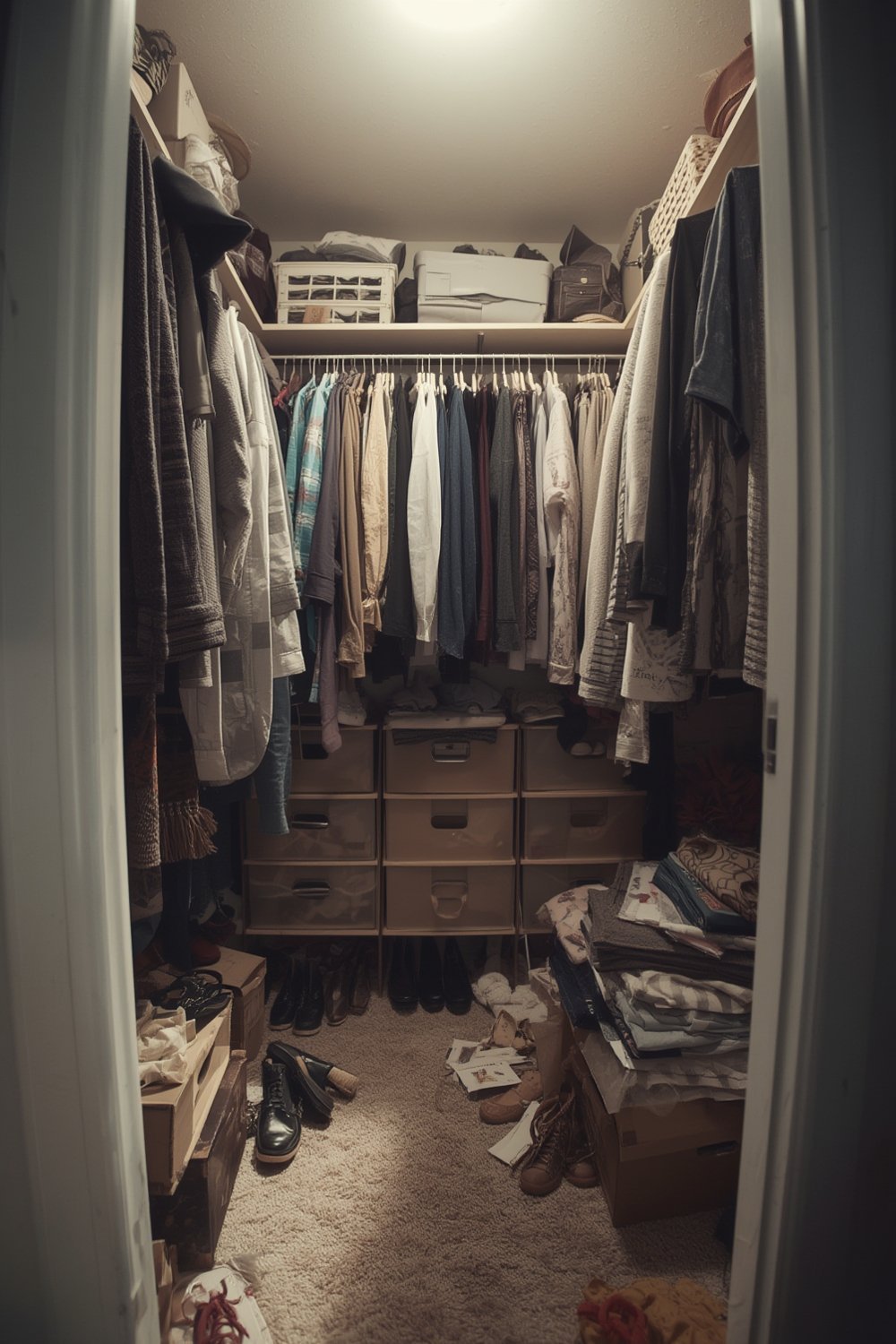
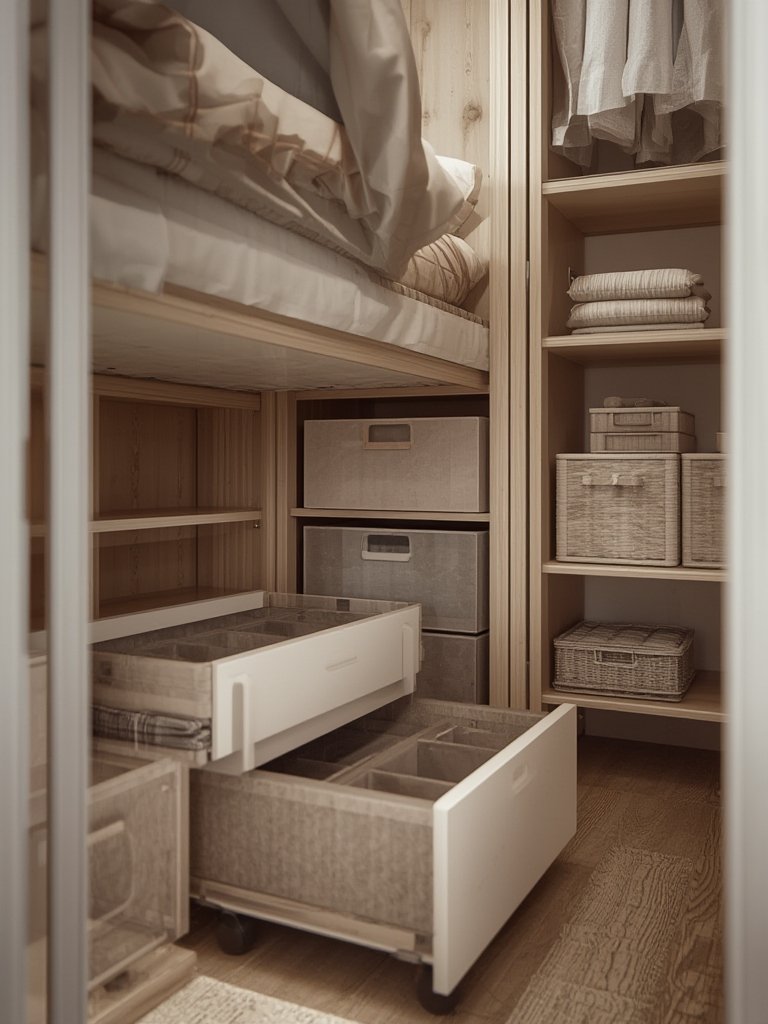
There are several types of under bed storage containers, including plastic bins, rolling drawers, cloth boxes, and woven baskets. Each has trade-offs in durability, weight limit, aesthetics, and cost.
Well-chosen under bed storage can keep clutter at bay, protect items from dust or pests, and free up precious closet shelves—without a renovation.
For more tips on maximizing small closet space, check out our guide on how to maximize shoe storage in a small closet and tips on folding clothes to save space.
How to Set Up Under Bed Storage Solutions: A Practical Guide
Setting up under bed storage isn’t complicated, but a little planning goes a long way. Here’s exactly how to do it for the best results.
- Measure Your Space
Use a tape measure to check the space from the floor to the bottom of your bed frame. Measure the width and depth available on each side. Typical storage bins, like the LANDNEOO plastic model (source), are about 32 inches long, 17.5 inches wide, and around 6 inches high. - Choose Your Storage Type
- Plastic bins: Best for durability, easy cleaning, resisting moisture, dust, or pests. Great for kids’ toys, documents, holiday decorations. Some have locking/sealed lids for maximum protection. See examples in our review of best clear under bed storage.
- Fabric/canvas boxes: Easy to move, breathable, gentle on floors. Ideal for seasonal clothing or linens. Choose zippered models to block out dust. Examples: West Elm Canvas ($100), Yecaye (holds up to 66 lbs).
- Rolling drawers: Offer wheels or casters—very practical for frequent access. Check caster strength before buying heavy-duty versions.
- Wicker/seagrass baskets: Decorative and sturdy, but can loosen over time and are prone to dust.
For more info on storage types, see our guide to rolling under bed storage.
- Pick Key Features
- Wheels or handles for easy access
- Zippered lids or full covers to keep dust and dirt away
- Dividers for easy organization inside large bins
- Sturdy materials based on what you’re storing (plastic for toys, heavy items—cloth for soft goods)
- Stackability if you have excess clearance
- Ventilation if storing clothes, to prevent odors or mildew
Not sure what to choose? Our comparison of under bed storage bins can help.
- Load and Arrange
Don’t overstuff boxes—especially fabric, which can rip or warp if overloaded. Place heavier bins toward the center under your bed for easier access. Store rarely used items at the far end; keep everyday needs by the bedside. - Label Everything
Use adhesive labels, chalkboard tags, or even clear containers to quickly spot what’s inside. Rotating your storage each season also helps keep dust from building up on unused boxes.
Looking for vertical space? Check our advice on vertical shoe storage for more creative ideas.
Advanced Analysis & Common Pitfalls
Under bed storage seems foolproof—until you run into the same headaches as most users. Here are the real issues to watch for and how different solutions stack up.
| Storage Type | Durability | Weight Limit | Common Issues |
|---|---|---|---|
| Plastic Bins | Excellent (moisture, pest, and dust-resistant, easy to clean) | Not specified | Can trap odors if sealed and not aired out; non-collapsible; initial odor on some models (source) |
| Fabric/Cloth Boxes | Good if not overstuffed | Up to 66 lbs (Yecaye) | Ripping if overloaded; dust clings to exterior; occasional fiber unraveling; odor retention (source) |
| Wicker/Seagrass | Sturdy iron frame, but weave may loosen | Not specified | Weave can unravel or snag; not ideal for humid areas; dust-prone; costly ($139 at Pottery Barn) |
| Metal/Wood | Very durable | Not specified | Heavy; gaps allow dust unless covered; usually pricier |
| Mesh/Jute | Strong, but mesh holds odors, jute weakens when wet | Not specified | Harder to keep clean; possible odor retention |
Additional common pitfalls:
- Buying bins too tall for your bed’s clearance—always double-check dimensions like LANDNEOO (32″ x 17.5″ x 5.9″) or West Elm Steele Canvas (32.5″ x 17″ x 6.5″).
- Picking organizers without lids—dust and pet hair will collect fast, especially on clothes.
- Ignoring handle/caster quality—heavy bins with weak wheels or handles are a recipe for frustration.
- Overloading fabric bins, which shortens their lifespan or causes seams to burst.
- Storing damp items in sealed containers (especially mesh or fabric), which can lead to mold or persistent odors (source).
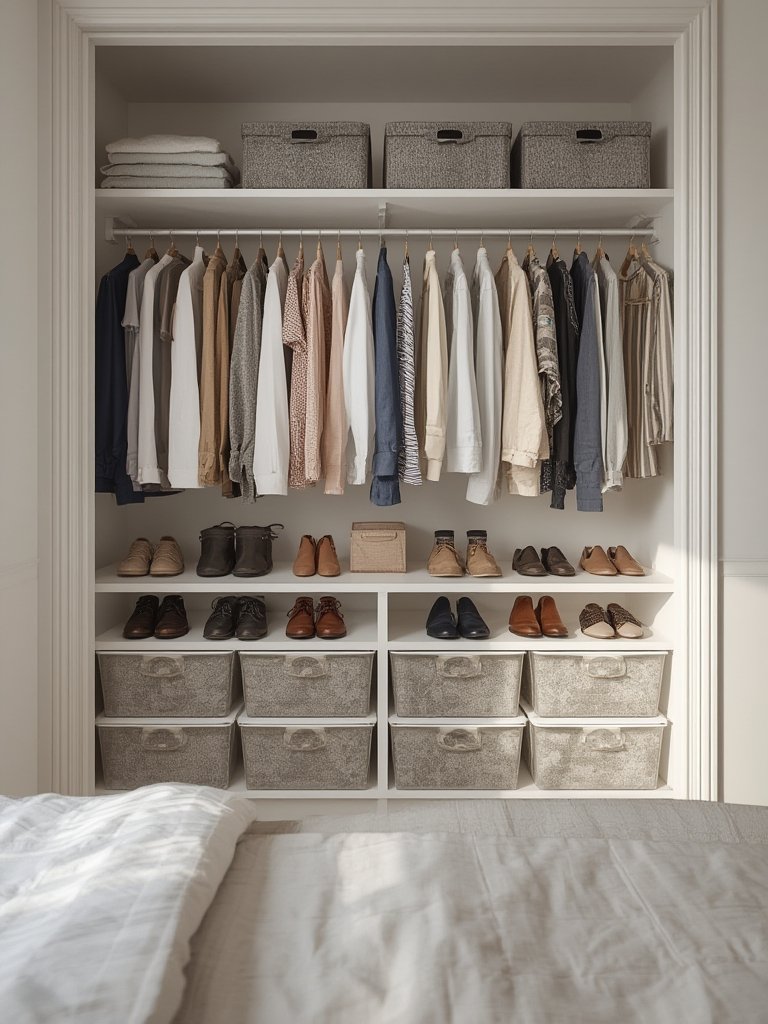
For a deep dive into materials and design features, reference this guide on under-bed storage features. For more options, see our guide to the best under bed drawers.
Conclusion
Choosing the right under bed storage solutions helps you maximize bedroom space, stay organized, and protect your items from dust or damage. Remember to measure your under-bed clearance, select bins sized for your needs, and always consider durability, handles, and lids. Avoid the common pitfalls listed above for a frustration-free experience. Start decluttering today with your ideal under bed storage solutions and enjoy a more organized life. Ready to reclaim your space? Explore our curated picks and organization tips or sign up for our monthly storage hacks newsletter.
Frequently Asked Questions
How much clearance do I need under my bed for storage bins?
Most popular under-bed bins require at least 6 to 6.5 inches of vertical space. Always measure the height from the floor to the underside of your bed before purchasing to avoid disappointment.
Are plastic or fabric bins better for under-bed storage?
Plastic bins offer the best protection from dust, pests, and spills. Fabric bins are lighter and easier to slide but can rip if overloaded and attract dust. Choose based on your items and access needs.
How do I keep dust out of under-bed storage?
Use bins or boxes with zippered or tight-fitting lids. Regularly vacuum under your bed, and avoid open baskets for anything you want to keep clean.
What are the best uses for under bed storage?
Store off-season clothing, shoes, spare linens, or less-used hobby items. Keep delicate, rarely accessed items in sealed plastic bins; soft goods do well in fabric containers.
How do I prevent odors in under-bed storage bins?
Always store dry, clean items. For fabric bins, allow them to air out before first use, and consider adding silica gel packs to control moisture.