Table of Contents
expandable drawer organizer solutions are a straightforward way to tackle messy drawers and make the most of every inch, whether in the kitchen, office, or bathroom. If you’ve ever opened a drawer to a jumble of utensils, tangled cords, or chaos in general, it’s time to consider this highly practical fix.
Key Takeaways
- Expandable drawer organizers offer a customizable approach to organizing diverse drawer sizes and contents.
- The right organizer prevents shifting, reduces clutter, and adapts to your evolving storage needs.
- Being aware of potential limitations—like fit, material quality, and maintenance—ensures a better buying decision.
- What Is an Expandable Drawer Organizer?
- Step-by-Step Guide: How to Use an Expandable Drawer Organizer
- Advanced Analysis and Common Pitfalls
- Conclusion
- FAQ
What Is an Expandable Drawer Organizer?
An expandable drawer organizer is a storage solution designed to adjust its width (and occasionally length) to fit snugly into drawers of varying sizes. Unlike fixed organizers, these flexible units slide open and closed, giving you full control over how they adapt to your drawer’s exact dimensions. Most models feature individual compartments or dividers, making it easy to sort and access utensils, office supplies, makeup, or other small items.

The popularity of these products, particularly in modern kitchens, comes down to their ability to maximize storage without requiring permanent installation. This adaptability means one organizer can serve you through multiple moves, changing storage needs, or even when repurposing a drawer (for example, from kitchen tools to home office supplies).
Materials vary: you’ll find expandable drawer organizers in bamboo, wood, durable plastic, and even stainless steel. Many include non-slip bases or built-in foam pads to prevent movement as you open and close the drawer. As highlighted on Good Life Home Renovations, these organizers are “absolutely” worth the investment for anyone serious about a clutter-free kitchen.
But the true “why” goes deeper. A toolbox, utility drawer, or bathroom vanity all turn into functional, efficient spaces when every item finally has its own home. The stress of wasted time searching for things, or the frustration of a jammed drawer, disappears overnight.
For further tips on optimizing every space in your home, see our guides on maximizing utility drawer space and choosing bamboo drawer dividers for kitchens.
Step-by-Step Guide: How to Use an Expandable Drawer Organizer
Organizing with an expandable drawer organizer is simple, but small process upgrades can make the difference between an organizer that merely looks tidy and one that stands up to daily life.
- Empty and Clean the Drawer: Remove every item and wipe away crumbs, dust, and spills. A spotless base gives grip pads the best chance to work.
- Test Fit the Organizer: Expand the organizer to fit your drawer’s width snugly, but not so tightly you can’t pull it out for cleaning. Check for interference with the drawer’s hardware or corners.
- Adjust Dividers or Compartments: Many organizers let you reposition compartments. Consider your largest and most awkward items first, then work backwards for miscellaneous small objects.
- Add Non-Slip Pads or Grips: If your organizer didn’t come with non-slip features, consider aftermarket foam pads. This reduces sliding and wear.
- Replace Your Items Systematically: Categorize by function or frequency of use. Utensils, pens, batteries, or beauty items all benefit from consistent zones.
- Regular Maintenance: Every few months, remove the organizer for a quick clean, check for misfitting sections, and spot-clean sticky residue.
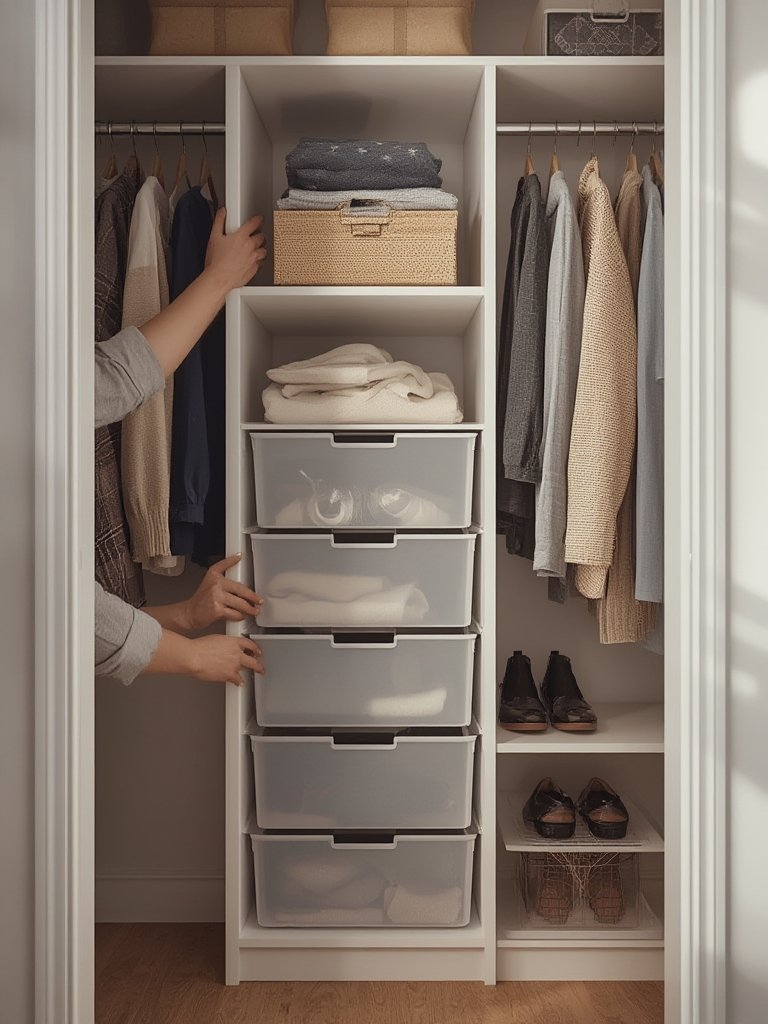
If your needs change—say you swap out ladles for rolling pins, or you move—the organizer can be resized within seconds and reconfigured on the fly. This is where it vastly outpaces non-expandable models, which are fixed to their original design.
Browse our detailed tutorial on how to organize drawers for maximum efficiency for more actionable advice. And if you’re diving deeper into specific rooms, check out our posts on utensil trays versus expandable organizers and best plastic drawer organizers for bathrooms.
Advanced Analysis and Common Pitfalls
Even the best expandable drawer organizer has some drawbacks and areas where users frequently encounter problems. Using findings from recent product roundups and reviews (source, source), here’s what often goes wrong—and how to avoid frustration.
- Poor Fit: Some models expand unevenly or leave unwanted gaps at the sides. If your drawer is just wider than the organizer’s maximum size, it will slide around or leave wasted space.
- Low-Quality Materials: Flimsy plastics can warp or crack. Metal organizers feel sturdy but sometimes have rough edges. Bamboo or wood organizers are elegant but absorb moisture and may warp in humid areas.
- Sliding and Movement: Organizers with smooth bottoms may skid with heavy daily use, scattering contents, or scratching the drawer base (details).
- Complicated Cleaning: Some expandable mechanisms trap dust and small debris, and fixed compartments can be tricky to access during a deep clean.
- Lack of Customization: A few designs have non-removable dividers or preset compartment sizes that don’t match your actual needs.
- Price and Warranty Limitations: Pricing can vary widely, and it’s rare for a manufacturer to offer robust warranties beyond a basic replacement window. As noted in our best drawer organizers of 2026 round-up, always check for terms before purchase.
How do expandable and non-expandable drawer organizers compare? Here’s a pragmatic breakdown:
| Feature | Expandable Drawer Organizer | Fixed (Non-Expandable) Organizer |
|---|---|---|
| Adjustable fit | Yes, adapts to drawer width | No, one size only |
| Ease of installation | Very easy, tool-free | Easy, but requires precise fit |
| Customization | High (some models adjustable internally) | Low or moderate |
| Durability | Varies (mechanisms may wear out with frequent resizing) | Typically higher (fewer moving parts) |
| Price range | Medium to high | Low to medium |
Lastly, lab testing for durability is rare in this market. If you’re considering repeated resizing or heavy items, look for user reviews (or explore independent reviews such as these) before making a final choice.
Conclusion
Expandable drawer organizers transform chaotic drawers into efficient, stress-free spaces and offer the flexibility to adapt as your storage needs evolve. Being realistic about your requirements and aware of frequent pain points ensures the organizer will fit well and last. To get started, measure carefully, compare materials, and select a model that matches your priorities. Ready to reclaim your space? Choose an expandable drawer organizer to take the first step toward streamlined living.
Want more actionable organization tips? Check out our post on junk drawer organization in small homes and drawer organizer buying guide.
FAQ
Do expandable drawer organizers really stay in place?
Most quality models include non-slip bases or foam pads. However, in slick or oversized drawers, additional grips or liners may be needed to prevent sliding, especially when heavy items are involved.
Which material is best for an expandable drawer organizer?
Bamboo and wood are sturdy and stylish but can absorb moisture. Durable plastics are lightweight and easy to clean. Stainless steel options offer longevity and strength but are less common and pricier.
Can I use an expandable drawer organizer outside the kitchen?
Absolutely. These organizers also work well for office supplies, crafts, bedroom dressers, and bathrooms. Just ensure the organizer’s measurements match your drawer.
How do I clean and maintain my organizer?
Remove the organizer regularly to wipe away dust and grime. For sticky spills, use a soft damp cloth. Avoid soaking wooden or bamboo organizers to prevent swelling or warping as advised by Good Life Home Renovations.
What should I do if my organizer doesn’t fit perfectly?
If the gap is small, add foam or rubber spacers along the sides. For larger discrepancies, consider a different model or combine the organizer with simple dividers to fill excess space.