Table of Contents
Best closet organizers for small spaces can completely change how you use every available inch in a tiny home, studio apartment, or crowded condo. If your closet is crammed and chaotic, it’s time to use smart, modern solutions designed specifically for compact areas.
Key Takeaways
- Modular, eco-friendly, and tool-free closet organizers are the top trends in 2024 for making small closets more functional.
- Professional organizers recommend using vertical storage, pull-out drawers, and stackable shelves to maximize tight spaces.
- Choosing the right materials and installation method is crucial for durability—look for systems made of recycled aluminum, bamboo, or moisture-resistant composites.
- What Makes a Closet Organizer Best for Small Spaces?
- Step-by-Step Guide: How to Choose and Install Closet Organizers for Small Spaces
- Advanced Analysis & Common Pitfalls
- Conclusion
- FAQ
What Makes a Closet Organizer Best for Small Spaces?
Closet organizers for small spaces are designed to maximize usable storage where every inch counts. Unlike traditional systems, these solutions pack essential features like modular closet storage systems, adjustable parts, and space-saving accessories tailored for narrow or shallow closets. Why? Urban living, growing rental populations, and a 2024 trend toward minimalism have made small-space organizers one of the fastest-growing sectors, with US sales rising at over 8% CAGR (source).
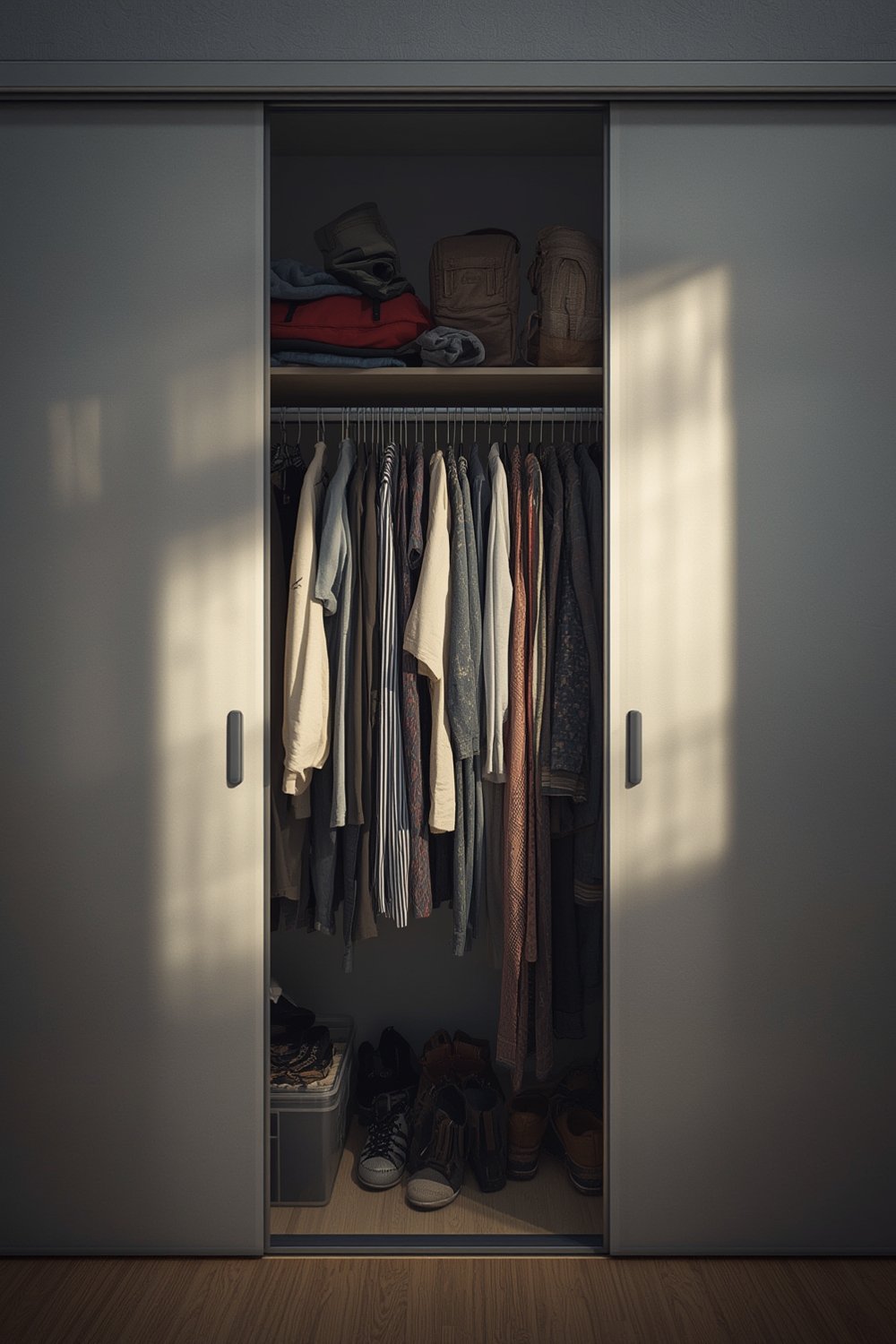
Today’s best-selling units often use recycled materials, snap-together or tool-free assembly, and features like motion sensor lighting or modular dividers. Customers expect easy installation (especially renters), visually pleasing finishes, and adaptability—for example, ClosetMaid’s wire shelving or IKEA PAX wardrobes with LED lighting (source).
Nearly all professional organizers stress strategies such as:
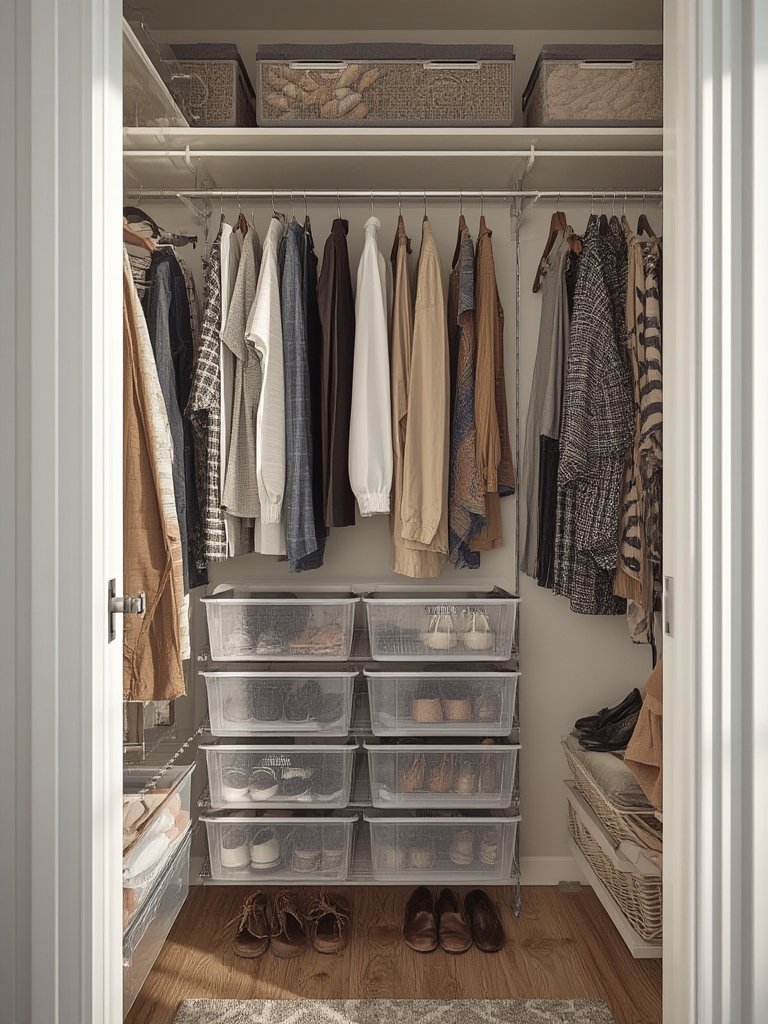
- Vertical double rods for shirts or pants
- Over-the-door racks for shoes or accessories
- pull-out drawers and stackable shelves for folded clothes
- Adjustable modular shelving and bins
Curious how drawer solutions fit in? Explore our expert review on a drawer organizers set: 7 amazing ways to maximize space.
Step-by-Step Guide: How to Choose and Install Closet Organizers for Small Spaces
- Assess Your Closet’s Dimensions and Needs
Carefully measure your closet height, width, and depth. Map out where you lose space—overhead, floor, or vertical gaps.
- Prioritize Modular and Adjustable Solutions
Look for organizers that can be reconfigured, such as rails with movable shelves, stackable bins, and expanding rods. Modular closet storage systems make it easy to adapt as your needs change. For more flexible options, see our breakdown of modular closet storage systems: 7 amazing ways to maximize space.
- Pick Eco-Friendly and Durable Materials
Select systems made from recycled aluminum, bamboo, MDF, or laminated composite boards. These materials resist humidity and wear, making them ideal for long-term use (source).
- Choose Tool-Free, Renter-Friendly Installation
If you rent, opt for units that use tension rods, adhesive hooks, or snap-together assemblies. Avoid permanent screws if you plan to move. Many DIY kits now prioritize easy, damage-free install.
- Mix and Match Components for Specialty Storage
Add pull-out drawers for socks and underwear, slim hangers for shirts, and over-the-door racks for shoes. Customizable features make the most of awkward nooks. Dive into sustainable approaches with our guide on sustainable closet organizers: 7 best ways to maximize space.
If you want even more storage, use the space beneath your bed, as outlined in our popular under bed storage solutions: 7 best ways to maximize bedroom space guide.
Advanced Analysis & Common Pitfalls
While Best Closet Organizers for small spaces can dramatically improve order and functionality, there are real-world challenges and often overlooked issues to consider:
Poor Fit or Wasted Space: Many organizer kits are not designed for non-standard closet dimensions, which can result in awkward gaps or unused corners.
Weaker Load Capacity: Tool-free and low-cost organizers may sag under heavy weight, especially when made from cheaper MDF or plastic. If you store shoes, bags, or winter clothing, always check the manufacturer’s weight limits—though many brands fail to publish them.
Lack of Longevity: Some snap-together shelving systems loosen over time, particularly after repeated moves or re-installation. Strong connectors are essential, especially for renters.
Style or Material Fatigue: Organization trends evolve quickly. Older staples like black velvet hangers are increasingly replaced by wooden or acrylic alternatives.
Maintenance Issues: Small, enclosed closets can trap moisture and lead to mildew. Choosing moisture-resistant components and allowing proper airflow helps prevent long-term problems.
To help you compare different organizer types, see this summary:
| Organizer Type | Best Feature | Material Options | Installation | Potential Issues |
|---|---|---|---|---|
| Modular Shelving | Flexible, customizable layouts | Bamboo, MDF, recycled plastic | Tool-free, snap-in, or screwed | May wiggle if overloaded |
| Pull-Out Drawers | Easy access, perfect for folded items | Aluminum frames, MDF, mesh | Screwed or snap-in | Sliding mechanisms can jam |
| Over-the-Door Racks | Adds instant vertical storage | Steel, plastic, composite | Hooks over door—no tools | Door clearance needed |
| Stackable Bins & Drawers | Customizable, seasonal swap | Plastic, bamboo, MDF | Place or interlock | Can shift out of place |
Want a pro-level system? Read about the latest smart closet organizer tech: 7 amazing ways to organize your closet.
Conclusion
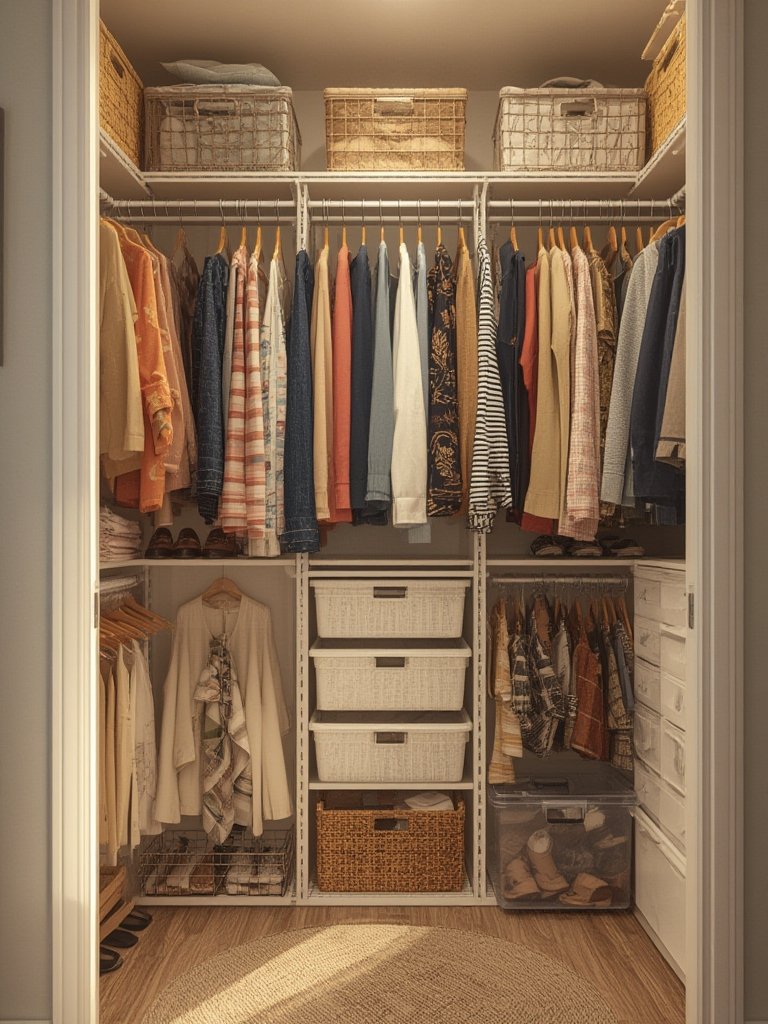
Choosing the best closet organizers for small spaces transforms cluttered wardrobes into highly functional storage zones. Opt for modular, renter-friendly systems with eco-conscious materials and focus on maximizing vertical and hidden spaces. Stay aware of real-life tradeoffs in material quality, fitting, and long-term durability. Ready to reclaim your closet? Compare your needs to the steps above and unlock more storage in any room. Start now—and if you’re still stuck, learn organization secrets with our deep dive on an expandable drawer organizer: 7 amazing ways to maximize space.
FAQ
What features should I prioritize when buying closet organizers for small spaces?
Look for vertical storage options, adjustable and modular components, tool-free installation (especially for renters), and durable, moisture-resistant materials like recycled aluminum or bamboo.
Do I need professional installation for these organizers?
Most kits for small spaces are DIY-friendly and require no tools or just basic ones. Tool-free and snap-in systems are popular to avoid wall damage—perfect for renters or those who move often.
How can I make use of awkward or unused closet corners?
Use stackable bins, L-shaped shelves, or adjustable rods to fill odd gaps. Drawer dividers and under-shelf baskets can help, too. For a focused approach, see our guide on closet drawer dividers bamboo: 7 best ways to organize.
What are the downsides of cheap or low-quality closet organizers?
Low-cost units may sag, warp, or even collapse under moderate weight if they use flimsy MDF or low-grade plastic. Check reviews and weight ratings, and invest in reputable brands to ensure stability.
Are there high-tech options for modern closets?
Yes, options now include motion-sensor LED lighting, smart dividers, and even AR visualization apps for planning. Explore more in our smart closet organizer tech guide.