Table of Contents
Small closet storage solutions are rapidly evolving, and finding what truly works in 2024 is more than a matter of buying bins and baskets. Let’s break down clear, practical strategies that top professional organizers now swear by—plus the hidden problems and numbers most articles miss.
Key Takeaways
- Modular closet systems, slim-profile hangers, and vertical racks are the most effective small closet storage solutions recommended for 2024.
- Common complaints about storage bins and baskets include durability and fit, but hard data is scarce. Watch out for low-quality materials.
- Most top articles lack precise space-saving metrics, long-term durability tests, or cost-benefit analysis—so setting realistic expectations is key.
- What Makes a Small Closet Storage Solution Effective?
- Step-by-Step Guide to Small Closet Storage Solutions
- Advanced Analysis and Common Pitfalls
- Conclusion
- Frequently Asked Questions
What Makes a Small Closet Storage Solution Effective?
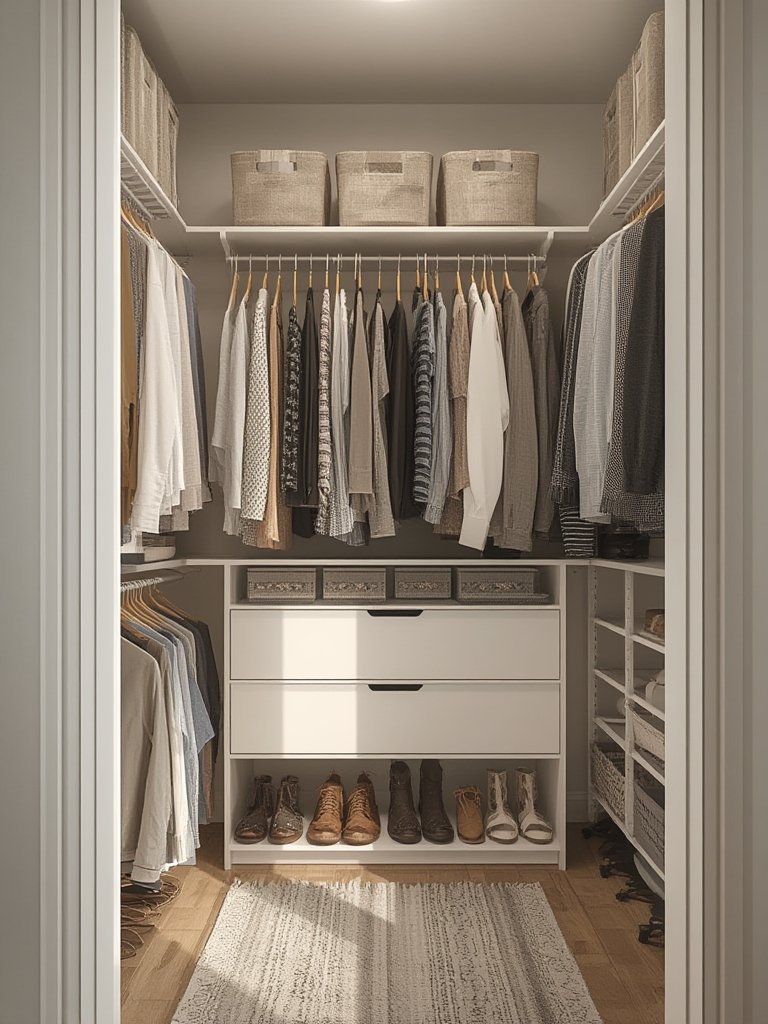
Professional organizers in 2024 agree: the best small closet storage solutions are customizable, use every inch of available space, and keep your belongings visible and accessible. The standouts are:
- Modular closet systems with adjustable shelves and rods
- Stackable drawers and bins for flexibility
- Slim-profile or space-saving hangers that maximize hanging room
- Vertical racks suitable for shallow or tall closets
- Open shelving and glass-front cabinetry for visibility
- Honeycomb drawer dividers for small items
- Sectioned organization—color-coding with matching hangers
Christine Vroom recommends dividing items by sleeve or garment type, while Arianne Bellizaire highlights vertical racks for limited-depth spaces. Key features to look for include growth room, accessibility, and the ability to edit and rearrange as your needs change. What’s often overlooked: even modest tweaks to storage and display can create a boutique feel, which makes you more likely to keep things tidy long term. For more advanced modular system strategies, see Modular Closet Storage Systems: 7 Amazing Ways To Maximize Space.
Step-by-Step Guide to Small Closet Storage Solutions
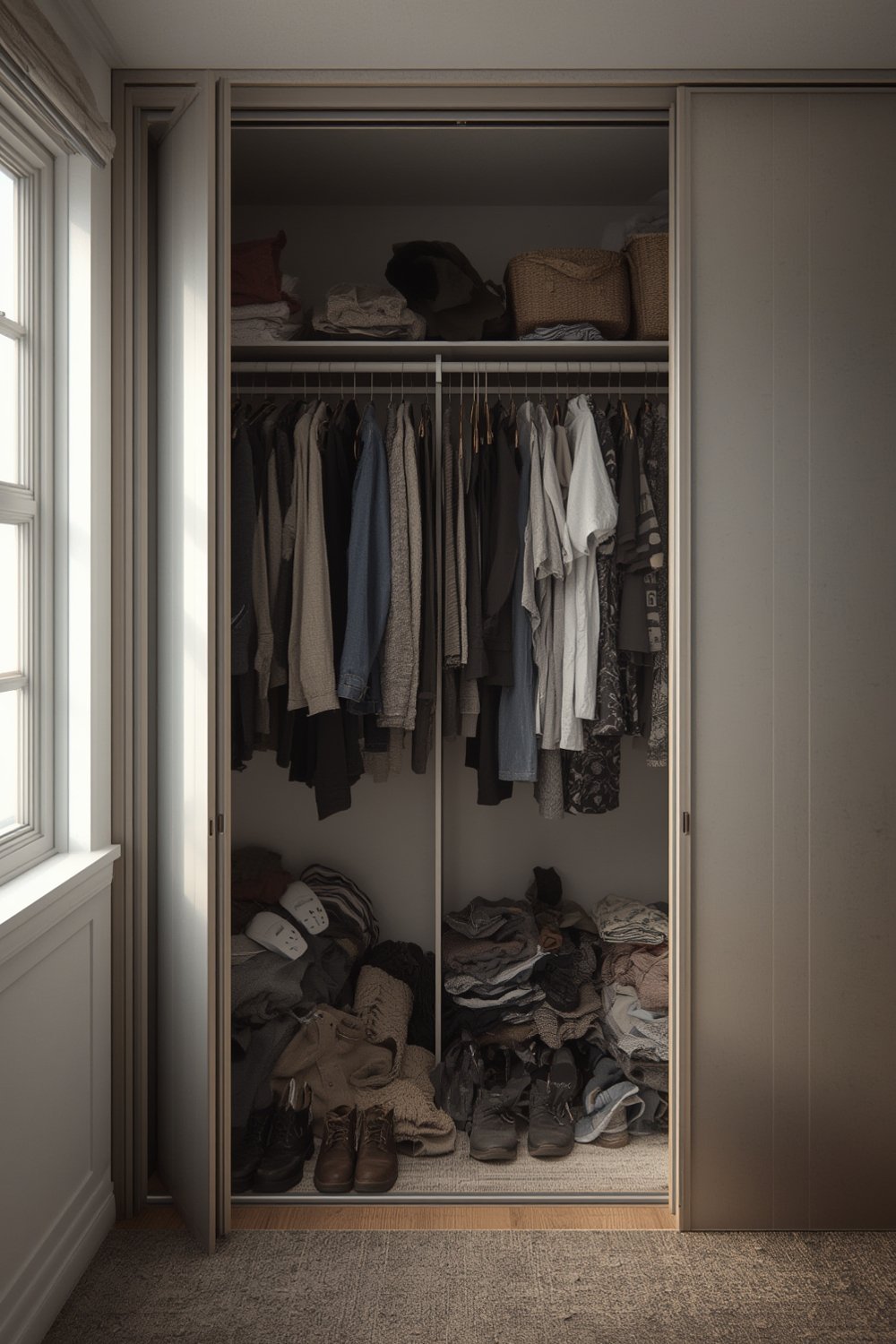
- Clear Out and Categorize
Remove everything from your closet. Edit ruthlessly—keep only what you use and love. Categorize into keep, donate, and toss. This is the critical step that provides a “reset” and maximizes visibility for what needs storage. - Map Your Space
Measure width, height, and depth. Identify hidden or vertical spaces—above the hanging rod near the ceiling, floor level, inside the door, etc. List any awkward areas where custom solutions (like honeycomb drawer dividers) fit. - Choose the Right Storage Systems
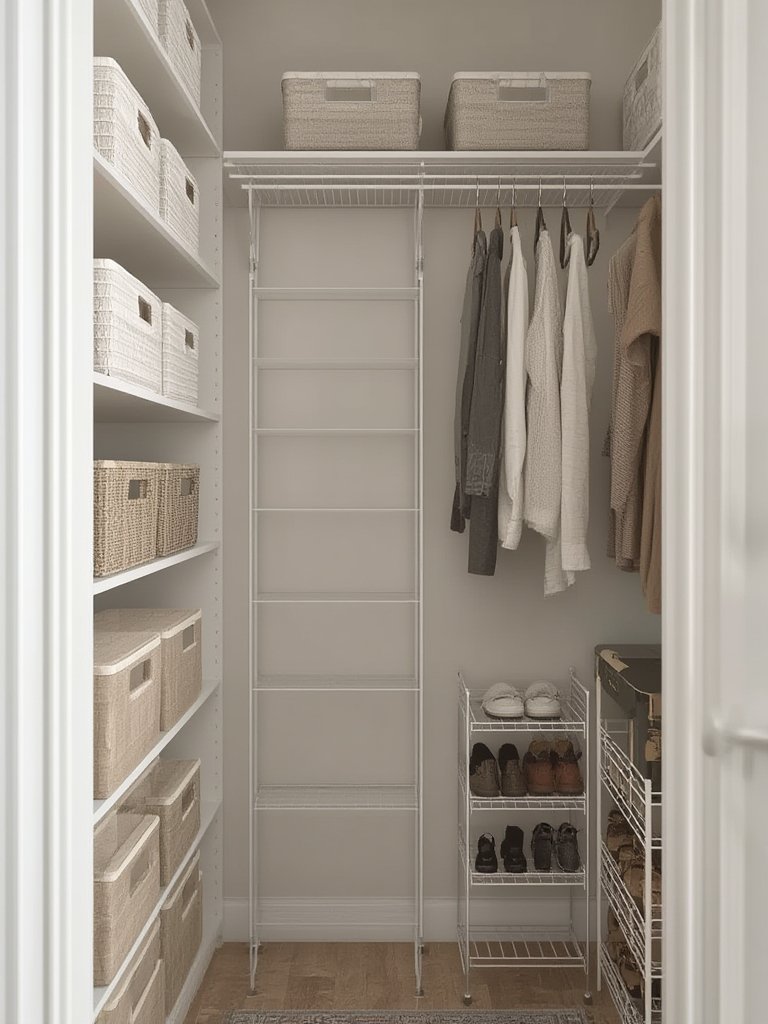
Modular systems work for almost any setup—look for adjustable shelves or rods. In small closets, stackable drawers or bins can turn wasted floor space into useful storage. For quick gains, install slim hangers, which can free up to 25 percent more rod space. Get ideas from Drawer Organizers Set: 7 Amazing Ways to Maximize Space. - Maximize Vertical and Hidden Spaces
Add shelves or racks up high for seasonal items. Use valet rods if garments often end up on the closet floor. Vertical hanging racks or cubbies extend storage without crowding. - Containerize and Label
Store like items (scarves, belts, accessories) in clear or labeled bins. Matching boxes, preferably in stackable or modular options, help keep visual clutter down. Labeling is essential—especially for out-of-sight items. Find top eco-friendly options at Sustainable Closet Organizers: 7 Best Ways to Maximize Space. - Edit, Maintain, and Celebrate Progress
Quarterly edits and label tweaks keep your closet functional. A labeled, boutique-like display can be motivating. Celebrate small wins—each extra square foot regained is valuable.
For even more detailed organizing options, explore Expandable Drawer Organizer: 7 Amazing Ways to Maximize Space and Closet Drawer Dividers Bamboo: 7 Best Ways to Organize.
Advanced Analysis and Common Pitfalls
Let’s get realistic. It’s not all easy wins with small closet storage solutions. Here’s what the research—and real users—have revealed about what can actually go wrong:
- No Magic Numbers: No current system gives hard data on space regained. Most products claim “tons of free space,” but offer no benchmarks in square feet or percentage. If you want real ROI, measure your own space before and after.
- Durability Data Is Missing: User reviews rarely mention material breakdown or long-term warranty details. Sturdy modular shelves and bins are praised in organizing case studies, but specifics on longevity and manufacturer support are absent. If you’re investing, ask for warranty info or look for proven long-term reviews.
- Bin Fit & Sizing Problems: Shoppers often find bins advertised as “universal” don’t fit closet shelves or drawer depths quite right. Measure repeatedly and leave margin for odd angles or shallow ledges.
- Out-Of-Sight, Out-Of-Mind: If you label poorly or use opaque bins for irregularly used items, you’ll forget what’s inside. This leads to duplicate purchases and wasted space—simple habits like visible acrylic organizers or clear sections address this.
- Cost Unknowns: There’s little published data on what a full closet overhaul will cost. Modular systems may promote sales and discounts (see real examples here), but you’ll need to budget for $100–$500 depending on your choice of bins, shelving, and specialty hangers (total cost not guaranteed and can vary by region).
| Solution/Feature | Pros | Common Pitfalls |
|---|---|---|
| Modular Closet Systems | Highly customizable, long-term flexible | Cost and installation may exceed expectations—not always renter-friendly |
| Stackable Bins/Drawers | Affordable, easy to access or rearrange | Durability unclear, sizes may not fit shelves |
| Slim-Profile Hangers | Saves hanging space, neat look | Lower quality versions break easily or lose grip |
| Honeycomb Dividers | Keeps small items sorted, maximizes drawers | Can make drawers feel crowded if overfilled |
Key takeaway: The best solution is the one that fits both your closet and lifestyle. Real improvements come from matching products to real needs. For specialized drawer configurations, check Drawer Organizers Set: 7 Best Ways to Boost Storage and Smart Closet Organizer Tech: 7 Amazing Ways to Organize Your Closet.
Conclusion
Modular closet systems, stackable bins, and a few simple visibility tricks will outperform most generic solutions in small spaces. Watch out for vague space promises and always double-check material quality. If you take a measured, honest approach—and regularly maintain your system—these small closet storage solutions will create real, lasting order in your life. Ready for more space (and less stress)? Start small—your closet will thank you.
Frequently Asked Questions
What is the best first step for organizing a small closet?
Start by completely emptying the closet, sorting your clothes and items into clear categories, and donating or disposing of anything you no longer use. This gives you the honest baseline needed for real progress.
Do modular closet systems really make that much difference?
Yes, for most closets. Adjustable rods, shelves, and stackable options allow you to fit storage precisely to your needs and adapt as your wardrobe changes. According to experts, this flexibility makes modular systems a top pick for small spaces.
How do I pick the right storage bins for my closet shelves?
Measure your shelves and compare with bin external dimensions. Consider clear or at least labeled bins for seeing contents easily. Go for durable materials like thick plastic or reinforced fabric if possible.
Are there simple ways to make use of closet door space?
Absolutely. Add over-the-door shoe holders, hooks, or pocket organizers for accessories, scarves, or small electronics. This vertical real estate is often completely overlooked.
How much does a typical small closet storage solution cost?
It depends on what you need. Simple upgrades with bins and organizers might cost under $100, while modular system installations can range from $200 to $500 or more. Exact costs vary by location and customization level.