Table of Contents
Smart closet organizer tech is revolutionizing how people manage their wardrobes, combining clever storage solutions with lights, sensors, and app-based controls for a truly modern closet experience.
Key Takeaways
- The smart closet organizer tech market is rapidly growing, especially in North America, where 42% of key residential users have adopted smart closet systems in 2024.
- Current competitors overlook advanced features like AI-assisted management, auto-sorting compartments, and sensorial innovations such as aromatherapy drawers in closets.
- Full integration with platforms like Alexa or Google Home is still limited, and clear data on installation costs or proven user efficiency remain hard to find.
- The Core Concept: What is Smart Closet Organizer Tech and Why Should You Care?
- Step-by-Step Guide: How to Upgrade Your Closet With Smart Organizer Tech
- Advanced Analysis & Common Pitfalls
- Conclusion
- Frequently Asked Questions
The Core Concept: What is Smart Closet Organizer Tech and Why Should You Care?
Smart closet organizer tech combines modern shelving, motion sensor lighting, app-based controls, and sometimes even AI to help you make the most of your wardrobe space. Unlike old-fashioned closet organizers, these solutions use intelligent features such as LED motion sensor lights, auto-sorting shelves, and even augmented reality to help visualize layouts before you commit.
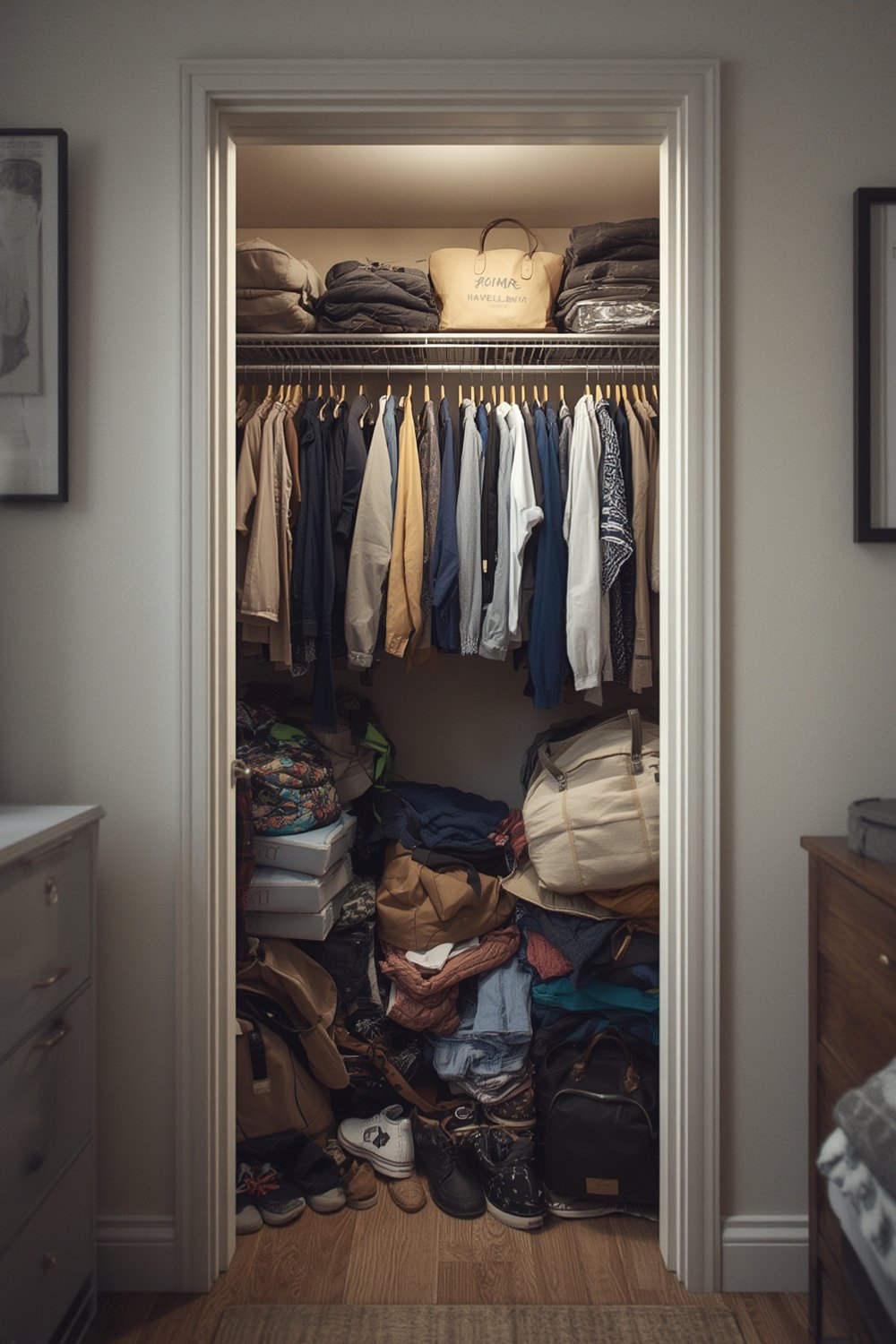
Why now? The global closet organizer market surged to $7.64 billion in 2024, with smart features fueling even faster adoption. North American homes are leading this trend, with 42% of key residential users using these systems. There is a clear shift as people look for customizable, sustainable, and tech-integrated storage options to simplify routines and save time.
Smart closet lighting—primarily LED strips with motion sensors—eliminates fumbling in the dark and adds a convenient, modern touch. Combined with app controls and modular shelving, it becomes possible to create a closet that knows your habits, tracks clothing, and adapts to your lifestyle.
Yet, even with this growth, most articles gloss over real-world integration issues, ignore AI and sensor innovations, and rarely offer step-by-step guidance for real users. Below, you’ll find exactly that.
Step-by-Step Guide: How to Upgrade Your Closet With Smart Organizer Tech
- Audit Your Closet Needs and Set Priorities.
Decide which tech aspects matter most: lighting, app-based control, modular shelving, or full automation? Take into account your wardrobe size, power access, and daily behavior. - Pick Your Smart Lighting and Organizer Components.
Choose LED motion-sensor lights with reliable reviews and a modular organizer system that has future-proof options. (Check for compatibility if you want Alexa or Google Home links—many don’t play nicely together yet!) - Design Your Layout (Use AR Apps if Available).
Try out brands like The Container Store’s Spacesaver system with their newest AR-powered app to visualize before buying. This helps you avoid costly returns or modifications later. - Order and Install: DIY or Professional?
If you’re handy, many lighting kits and shelves snap or screw together. Otherwise, pro installation is wise for built-in power strips, lighting, or charging ports. - Connect, Test, and Customize Settings.
Link lights and sensors according to manuals. Download any relevant apps, set up schedules, link to smart home platforms (if supported), and test motion triggers and timers. - Establish Maintenance and Energy-Saving Habits.
Smart closets need occasional firmware updates (for apps), battery checks, and shelf cleaning. Use eco modes if available to reduce long-term electricity costs.
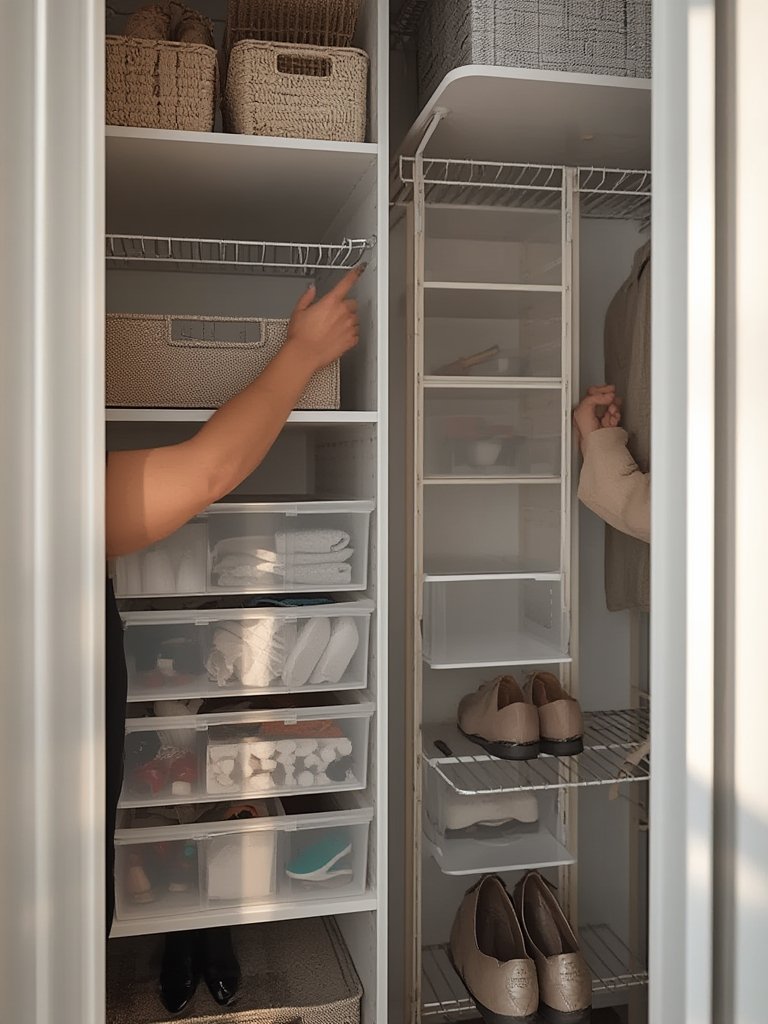
Brand & Feature Recommendations
While The Container Store’s Elfa and Spacesaver systems remain the most widely available, look for brands incorporating RFID garment tracking, auto-sorting drawers, or smart aromatherapy features—these are largely absent from top-ranking competitor guides.
For budget-conscious users, several plug-and-play closet motion lights are affordable and highly rated. Custom cabinets with embedded charging ports and app control do cost more but offer high flexibility for future tech add-ons.
For deeper closet tips, check out our guide on how to maximize small closet space in your home or our overview of closet lighting solutions for every budget.
Integration Notes
Universal compatibility isn’t a given: most smart closet lights can be integrated with Alexa or Google Home only if the manufacturer provides a compatible hub or native app options. Before purchase, check product documentation or ask the vendor directly. Be aware, some brands still require proprietary apps and do not support open smart home standards.
Advanced Analysis & Common Pitfalls
Despite the appealing promise of smart closet organizer tech, several hidden issues can derail your upgrade:
- Lack of Universal Platform Support: Many “smart” closet lights do NOT integrate with Alexa, Google Home, or Apple HomeKit, leaving you with app overload or fragmentary control.
- Installation Surprises: Manufacturers rarely provide clear costs for high-end setups—expect variability based on closet size, power outlets, and custom cabinetry quality.
- App Experience Gaps: Few systems offer genuinely useful AI features or robust auto-sort: most AR-driven closet apps are still in early stages.
- Maintenance Demands: Motion sensors and rechargeable LEDs need regular cleaning, charging, or software updates. Some users report motion sensors triggering at odd intervals or failing to respond altogether.
- ROI Uncertainty: No solid studies prove that smart closet organizer tech consistently improves daily organization or energy use, although the virtual closet app market’s 6.4% CAGR signals growing interest (source).
| Feature | Widely Available? | Integration with Alexa/Google? | Maintenance Required? | Real-World Downsides |
|---|---|---|---|---|
| Motion Sensor LED Lighting | Yes | Sometimes | Clean sensors, recharge | False triggers, limited app control |
| App-Controlled Shelving Units | Some | Rarely without proprietary hub | Firmware updates | Learning curve, premium pricing |
| AI-Driven Closet Management | No | Not yet | N/A | Mostly vaporware, underdeveloped in 2024 |
| Energy Efficiency Tracking | No data | No | N/A | No concrete savings metrics |
Solutions with features such as aromatherapy drawers, ergonomic adjustable shelves, and real AI-driven inventory tracking are mentioned in some market reports but are not yet mainstream (source).
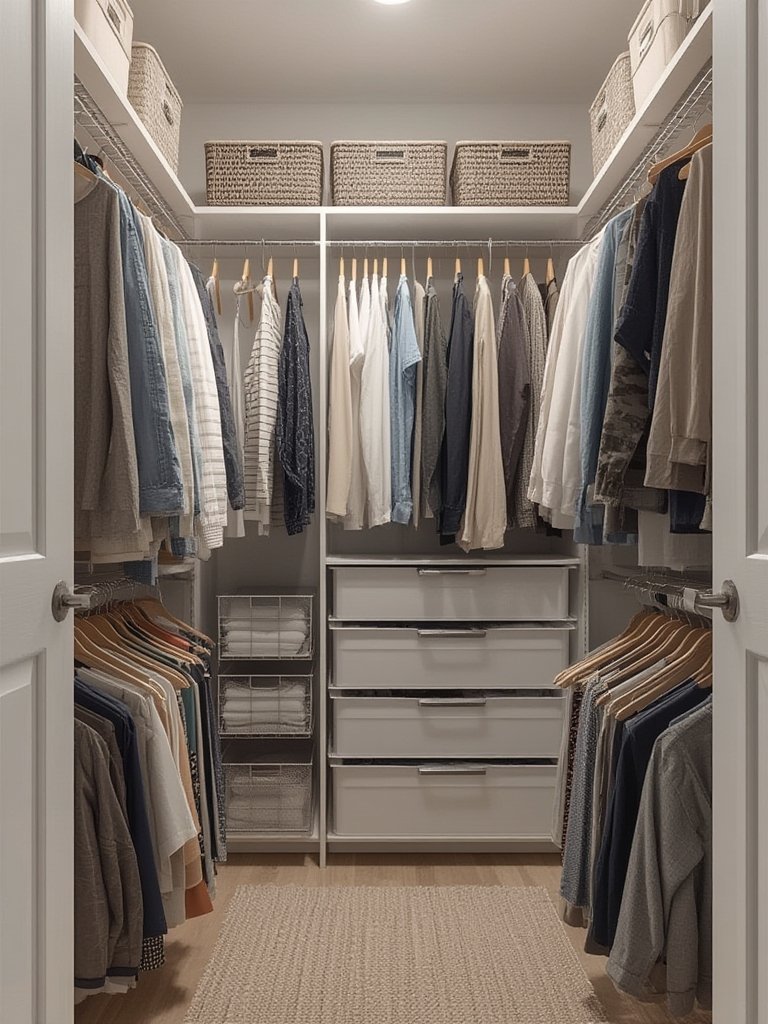
For more troubleshooting strategies, visit our guide to fixing motion sensor lights.
Or, if you’re interested in broader home organization, see our popular resource on closet organization ideas that actually work.
Conclusion
Smart closet organizer tech is maturing, but there are still hurdles around universal compatibility, installation surprises, and a lack of fully proven gains in efficiency or energy savings. Markets are growing, and with North American users rapidly adopting smart systems, now is a good time to consider your options—with realistic expectations.
Ready to transform your home? Start with one or two elements of smart closet organizer tech, customize them for your needs, and actively monitor your setup for reliability and value. Check our top small closet system picks for 2024 to identify trusted brands and features before you buy.
Frequently Asked Questions
How much does a full smart closet organizer tech upgrade cost?
No single number applies, as installation costs and hardware range from a few hundred dollars for DIY kits to several thousand for integrated modular systems. Always ask for quotes and check compatibility before committing.
Can I control smart closet lights and organizers with Alexa or Google Home?
Some models offer partial integration, but most require app-based control unless you purchase compatible hubs. Always look for specific mentions of Alexa or Google Home support in product specs.
Are smart closet organizer tech systems worth the investment?
These systems offer convenience and help modernize storage, but no definitive studies yet prove major efficiency or energy savings. Make small upgrades first to test workflow improvements before a complete overhaul.
What’s the best starting point for beginners?
Start with simple motion-activated closet lighting and modular shelves. These provide the best balance of cost, ease of installation, and daily impact. You can always add more advanced smart features later.
Do smart closet organizer systems help with small or oddly shaped closets?
Yes, many smart organizers feature adjustable or modular components that can be tailored to tight or unusual spaces. Be sure to measure carefully and use AR layout apps when available.