Table of Contents
Space saving closet racks are now a must for small-home owners and apartment renters who face shrinking storage space and rising demands for flexible, durable, and risk-free organizing solutions. Functionality and smart buying choices make all the difference—you need usable specs, data-driven upgrades, and practical tips that typical guides miss. This post delivers step-by-step, honest advice and buying criteria grounded in today’s real closet rack market trends.
Key Takeaways
- The global closet organizer market, including space saving closet racks, is forecast to nearly double by 2032 (USD 7.6B in 2024, 8.4% CAGR).
- Most buyer complaints relate to unclear assembly, variable installation quality, and uncertainty about durability under heavy or humid use—making clear specs and warranties critical.
- Basing your selection on measurable factors—footprint, weight ratings, vertical storage gains—avoids common pitfalls that many user reviews never even address.
Quick Market Snapshot — Why compact closet solutions matter in 2024
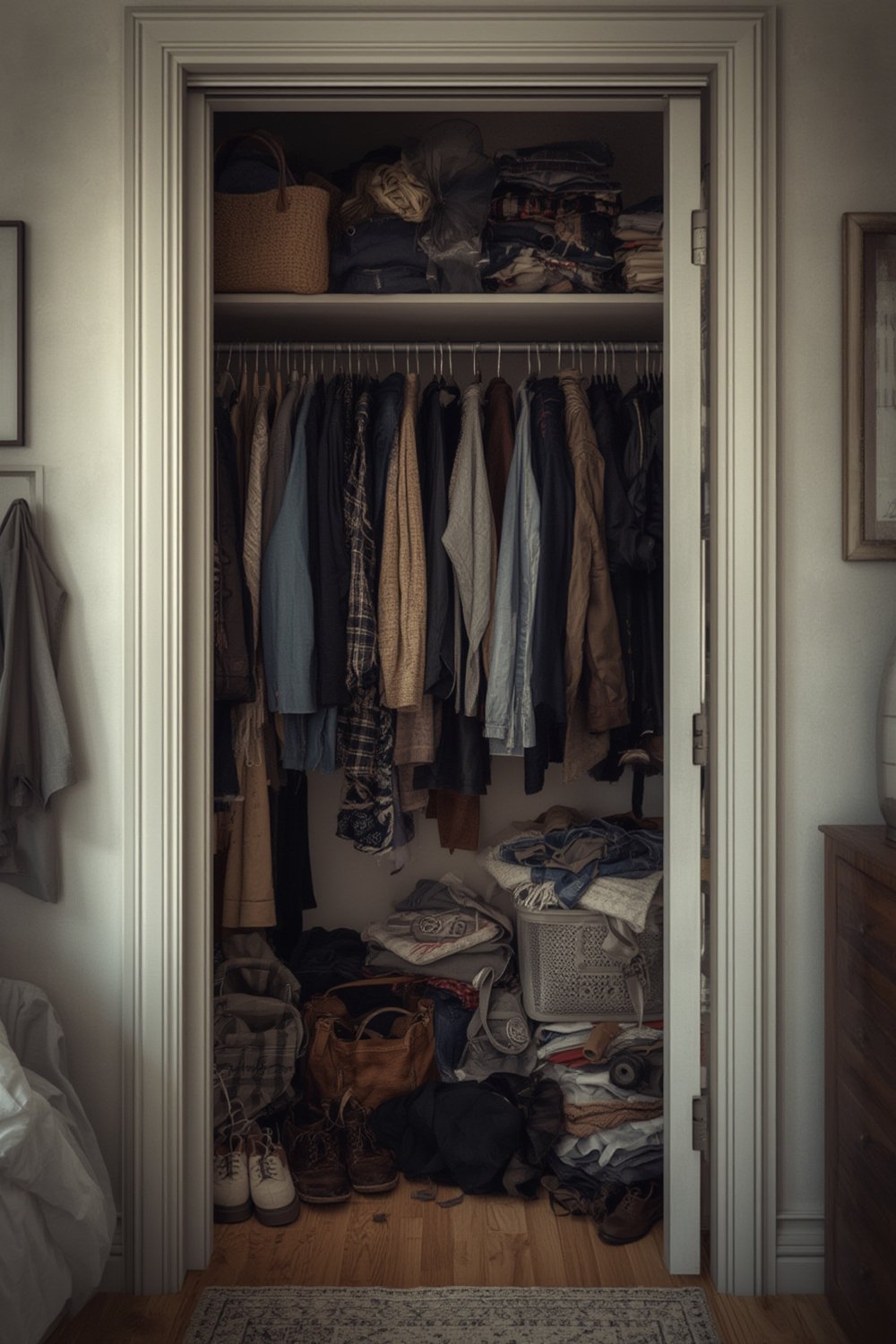
Demand for space saving closet racks is surging due to rapid urbanization, the rise of tiny homes, and expensive/limited square footage in major cities. According to recent research, the closet organizers market—including all types of racks—was valued at USD 7,642 million in 2024 and is projected to reach USD 14,569 million by 2032, growing at a strong 8.4% CAGR. [source] More people are renovating, moving to urban apartments, or downsizing, amplifying the critical need for compact, flexible storage. Builders and consumers alike are seeking affordable, modular systems that use every inch smartly.
Regional Demand — Where compact racks are selling fastest and why
Compact closet racks adoption varies by region based on living conditions and consumer preferences:
- North America: Holds about 38% of the market, fueled by frequent home renovations and the need for efficient storage in apartments and condos.
- Asia-Pacific: Takes a 22% share but is the fastest-growing (9.1% CAGR) due to intense urbanization and a rising middle class in China, India, and Japan.
- Europe: Makes up 28% of sales, with a design-led focus on sustainability and visual appeal for smaller homes.
- South America: Limited at around 6%, but growing amid increasing apartment developments, particularly in Brazil and Argentina.
North America and Europe show over 50% utilization of custom closets, while Asia-Pacific’s demand outpaces global averages. [source] For detailed strategies on maximizing storage by region, see space-saving closet ideas for renters.
What buyers actually complain about — verified review gaps and common issues
There is a glaring data gap: No specific large dataset of verified user reviews exists for foldable closet racks, collapsible closet racks, or other compact racks. However, market findings highlight three major post-purchase pain points:
- Price sensitivity: Budget racks tend to draw complaints about flimsy build and poor value for cost.
- Variations in installation quality: Ease of assembly, unclear instructions, and hardware fit often lead to frustration, especially for renters setting up in tight or awkward spaces.
- Durability and stability issues: Lower-end racks may wobble, sag, or fail under heavy/long-term use—especially when overloaded or used in humid areas.
Since the review data is missing, shoppers must rely on close reading of product specs and careful inspection of return/support policies instead of crowdsourced ratings. For more practical organizer tips, consider drawer organizers set: 7 amazing ways to maximize space.
Top 3 questions competitors don’t fully answer (and exactly how to answer them)
Most top-ranking product round-ups skip these tough but vital topics. Here’s what you should demand answers to:
- How does long-term durability and weight capacity hold up in humid climates? Look for racks with corrosion-resistant coated steel or treated aluminum if you get summer humidity, and verify weight claims with third-party standards, not just vendor copy.
- Exactly how many square feet or how much usable hanging space does the rack deliver compared to a standard reach-in closet? Ask for clear linear-feet measures or number of hangers. modular racks can exceed traditional closets by 20%–30% (see below for measurement method).
- What region-specific installation challenges will I face? Extra-compact apartments may require racks that adjust for uneven floors, tight ceilings, or odd-size openings. Some racks are not compatible with older buildings or temporary rental layouts.
Insist on detailed answers—or test-fit in store—before buying. For creative, compressed layout ideas, check closet organization hacks for tiny spaces.
Realistic price expectations — what we know and the data gaps
Precise price data for high-quality foldable closet racks and collapsible closet racks simply isn’t published in current research. Here’s what you need to know instead:
- Budget Tier: Often made with lightweight piping or MDF, $–$$; may suffer in durability or assembly hardware.
- Mid-Tier: Usually steel tubes or reinforced frames, better finish, reliable joints, $$. Expect better weight ratings and some modularity.
- Premium: Solid steel, aluminum, or engineered wood; refined hardware, multi-year warranties, $$$. Custom or brand name builds.
The lack of open pricing data makes it critical to compare not just materials and specs but warranty details and support—especially if buying online. Explore affordable options at cheap small closet organizers for apartments.
Space optimization — measurable gains vs. traditional closets
How do you measure the true value of compact closet racks or space saving closet racks? Use these methods:
- Usable Hanging Capacity: Measure the total linear feet of hanging bar plus shelf area for shoes or bins. Compact racks should deliver 10–25% more capacity per square foot versus standard built-ins.
- Vertical Utilization: Modular racks let you stack or tier clothing, using air space most closets waste. Top brands (like IKEA’s 2023 system) deliver 25% increased storage capacity in small-footprint apartments. [source]
- Footprint Reduction: Prioritize models that roll, fold, or collapse to clear floor space for other uses, especially in studios or lofts.
Cutting-edge examples such as Oppein’s smart closet drove a 12% demand bump in 2024—showing the market’s hunger for quantifiable space gains. For more vertical tricks, visit maximize vertical closet storage.
Technical features that actually matter for longevity and usability
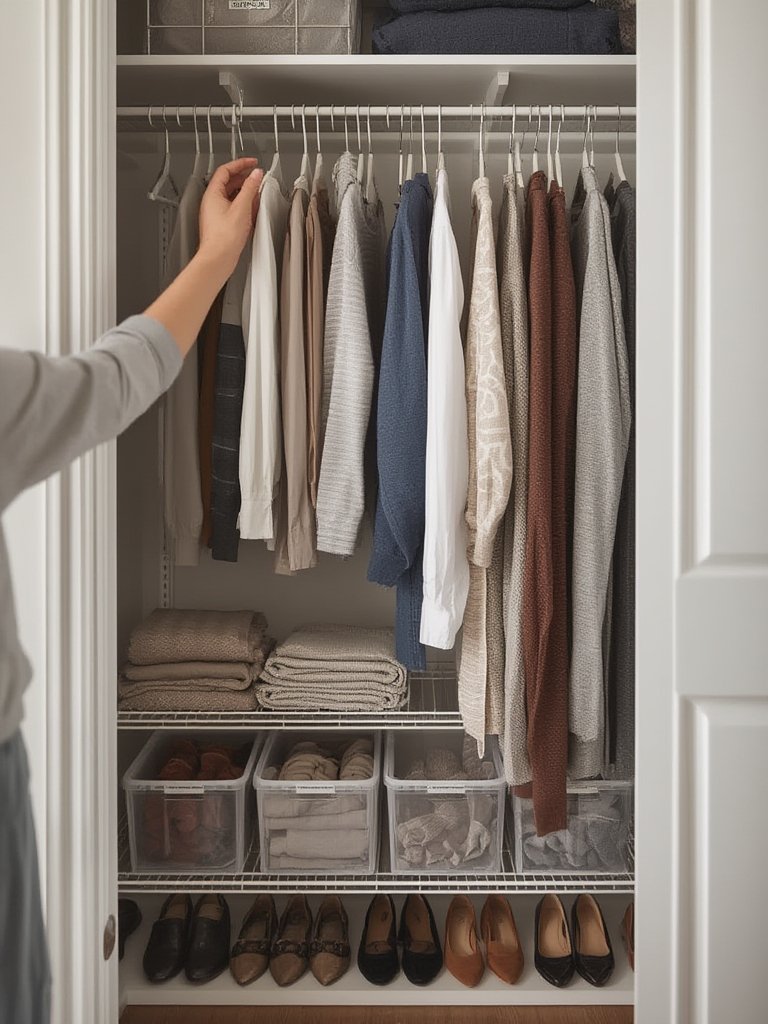
Before buying any compact closet racks, judge the system by these critical features:
| Feature | What to Look For | Why It Matters |
|---|---|---|
| Materials | powder-coated steel, rust-proof aluminum, or high-grade engineered wood | Resists warping and rust; holds up under daily use |
| Hardware Quality | Solid, locking connectors and full set of required screws/tools | Improves assembly, stability, and repairability |
| Weight Capacity | At least 60–100 lbs per bar—always check vendor specs | Ensures sturdiness for coats, shoes, bags |
| Corrosion Resistance | Stainless or specially-coated metals | Essential for damp basements, bathrooms, or humid climates |
| Assembly Complexity | Realistic 30–45 minute setups with clear pictograms | Prevents frustration and sub-par builds |
| Modularity & Adjustability | Movable shelves, adjustable rods, optional extensions | Adapts to new needs and space changes over time |
Smart storage tech and tool-free assembly are trending; learn more about tech-fueled options at Smart Closet Organizer Tech: 7 Amazing Ways.
Warranty, support and return policies — what to expect and red flags
Shoppers cannot currently access a comprehensive comparison of closet system warranties or support terms across brands. However, you should expect, at minimum:
- 1–3 year warranty on parts and frame
- Clear, in-writing return window (preferably 30+ days)
- Easy process for replacement of damaged hardware or missing parts
Avoid brands with vague policies, no listed phone/email support, or unclear return/refund language. Whenever possible, buy from retailers who hassle-free return or in-store fit checks. For extended organizer warranty ideas, visit small space closet organizers.
How to choose the right rack — a short checklist for small spaces
- Measure the full opening and ceiling height (inches or cm); note any angled ceilings or pipes.
- List core garment types and estimate required hanging length (use hangers as a visual guide).
- Check weight capacity against the heaviest load you’ll place (e.g., winter coats, luggage).
- Inspect for corrosion-resistant materials (for basements/bathrooms).
- Assess time/tools needed for assembly—avoid racks requiring dozens of fiddly screws if you’ll be moving soon.
- Scrutinize warranty, parts support, and return options before purchase—prefer those with extra modularity or adjustability for changing needs.
Installation quality can make or break a compact closet rack; don’t skip a trial build or direct in-store demo if available.
Model comparison framework and sample architecture for a product table
When comparing collapsible closet racks, structure your spreadsheet or comparison grid around these columns:
| Brand / Model | Price Range | Main Materials | Weight Capacity (lbs) | Folded Footprint (L x W x H) | Usable Hanging Capacity (linear ft or # garments) | Assembly Time (est. min) | Warranty/Support |
|---|---|---|---|---|---|---|---|
| SampleBrand XYZ | $$ | Steel/Plastic | 80 | 36 x 16 x 54 | 12 ft / 24 shirts | 35 | 2Y Parts/Returns |
How to measure usable hanging capacity: Lay out the rack, stretch out a measuring tape along the bar(s), and sum the total linear feet. Divide by ~0.5–0.7 ft per shirt/blouse, or check how many coats the bar can bear side by side without crowding.
No reports provide these square-foot/hanging metrics, so get them from actual product setup or retailer Q&A—not just from specs.
FAQs readers will search for (and precise short answers to include)
Are foldable closet racks sturdy enough for heavy coats or winter clothes?
If the rack offers at least 60-100 lbs weight rating per bar and uses steel or rust-proof aluminum, it’s generally suitable for coats. Always test with your heaviest load before full use.
How do you accurately measure for a compact closet rack?
Measure floor width, ceiling height, and any obstructions. Mark the intended rack’s width and depth on your floor and check surrounding clearance for doors or drawers.
Will collapsible closet racks rust or warp in humid climates?
Only racks using powder-coated, stainless, or corrosion-resistant materials will last in damp or humid areas. Untreated steel or thin MDF often fails over time.
What’s a realistic assembly time for these racks?
Most renter-friendly designs should take 30–45 minutes at most with basic hand tools. Avoid models with excessive or complex hardware if you’ll need to disassemble often.
Do all racks come with a return policy or warranty?
No—always check return windows and warranty length before buying. Look for at least a 1-year warranty and a 30-day, no-questions-asked return.
Final buying recommendations and next steps
The small-space storage market is growing fast, with modern compact closet racks and collapsible closet racks offering measurable efficiency gains for tiny homes and urban apartments. Choose models with sturdy steel/aluminum, modular adjustability, clear weight ratings, and simple assembly. Prioritize vendors with transparent warranty and return options, and—when possible—test-fit or assemble in-store to avoid surprises. Investing in a high-quality space saving closet rack will pay off over years of flexible storage—and now is the right time, with USD 7,642 million in global demand and apartment sizes shrinking every year.
Ready to make your space work harder? Check specs, measure twice, insist on strong support, and you’ll avoid the regret (and headache) most shoppers face. For more in-depth guides, explore our best closet organizers for small spaces resource.