Table of Contents
Maximize vertical closet storage is the fastest way to transform a jam-packed space into a truly organized closet. This guide shows how to get results even if you lack custom closets, unlimited time, or a massive budget. Rely on proven vertical storage solutions—while recognizing what research does not quantify—so you can make smart, confident choices for any closet size or ceiling height.
Key Takeaways
- Hard numbers are still missing for wasted closet height and install costs, so success depends on precise measurements, product specs, and your own before-after tracking.
- Most pain points involve shoes, hanger thickness, sliding doors, and difficult-to-install systems—choose vertical closet shelves and accessories carefully.
- Maximize vertical closet storage with adjustable shelves, double rods, and wall racks based on your actual closet depth, height, and door style.
Why Vertical Space Remains Underused
Most closets waste vertical space near the ceiling and at floor level, forcing you to pile shoes, double up hangers, or leave valuable storage empty. Height optimization in closet storage requires your own careful measurements before making upgrades. For a complete wire shelving solution that maximizes every vertical inch, see our wire shelving guide.
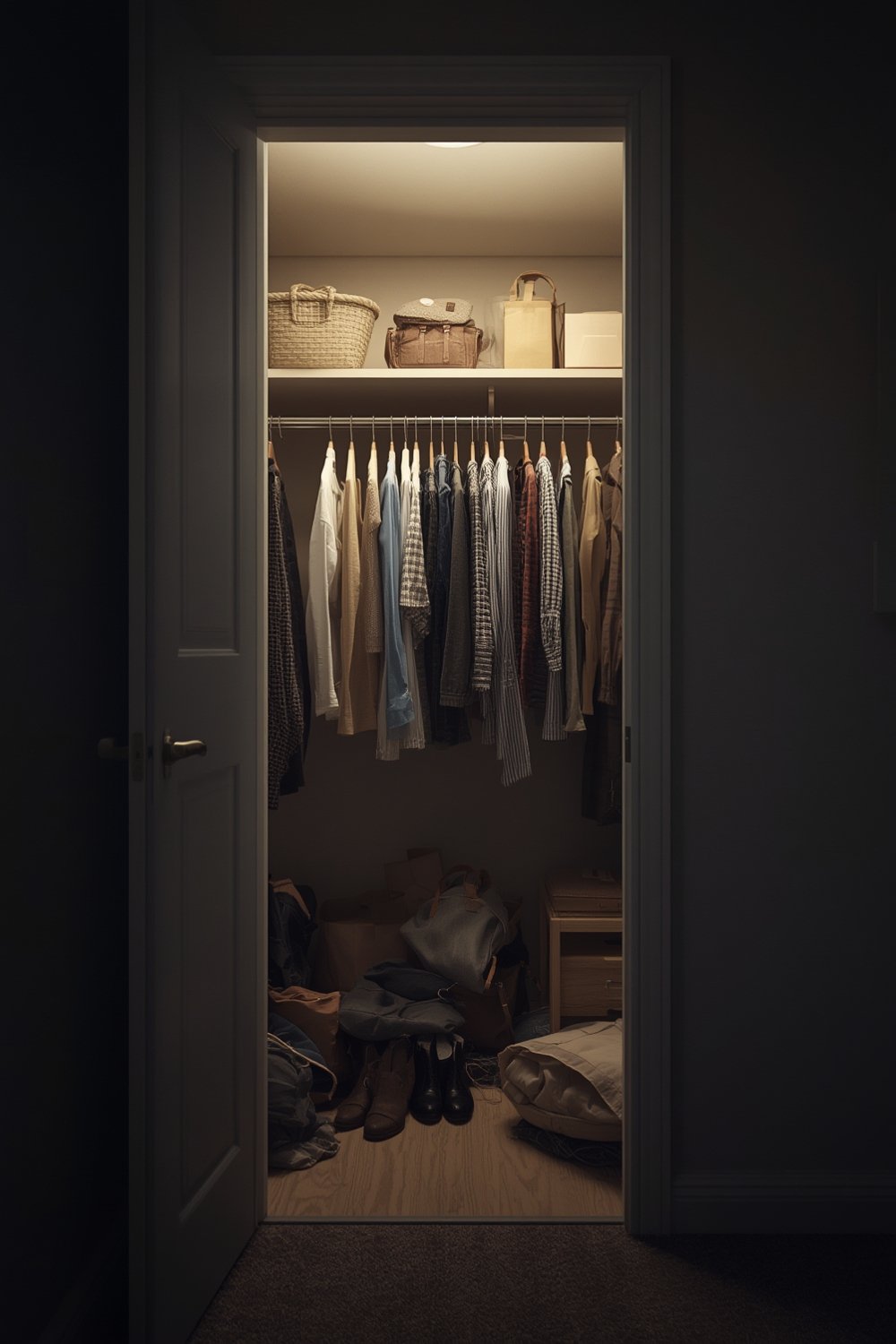
This gap in data means generic advice often fails. Real results depend on knowing your closet’s width, usable height, shelf positions, and what actually blocks access. If you want more on organizing small spaces, see our closet organization ideas for small closets.
Step-by-Step Plan: How to Maximize Vertical Closet Storage in One Weekend
Follow these steps to make the most of your vertical storage solutions—fast, budget-friendly, and realistic for any closet size or rental.
- Measure & photograph: Use a metal tape to get closet width, interior depth, and ceiling height. Take “before” photos, including the door style.
- Purge and sort: Pull out all items. Get rid of what you no longer need so you’re not organizing clutter.
- Map vertical zones: Divide your closet into three vertical zones—floor (zone 1), mid-range (zone 2), and upper space (zone 3).
- Choose zone-specific solutions:
- Zone 1 (Floor): Go for slim vertical shoe racks or closed bins. See more space-saving closet ideas.
- Zone 2: Double hanging rods, adjustable shelving, or pull-out baskets. For the best wire shelving options that work in this zone, check our wire shelving units review.
- Zone 3: Top shelves, wall-mounted bins, or ceiling-level pull-down rods for tall ceilings.
- Plan your install: Set aside the weekend. Read all product instructions first. Use a stud finder if mounting shelves to the wall.
- Build from bottom up: Install floor and mid-level items first to avoid reaching over and damaging higher shelves.
- Test and adjust: Store bulky items up high, hang everyday clothes at arm height, keep shoes and bins lower.
- Track improvement: Compare clear floor area before and after, number of shoes not on the floor, and items you can now hang vertically.
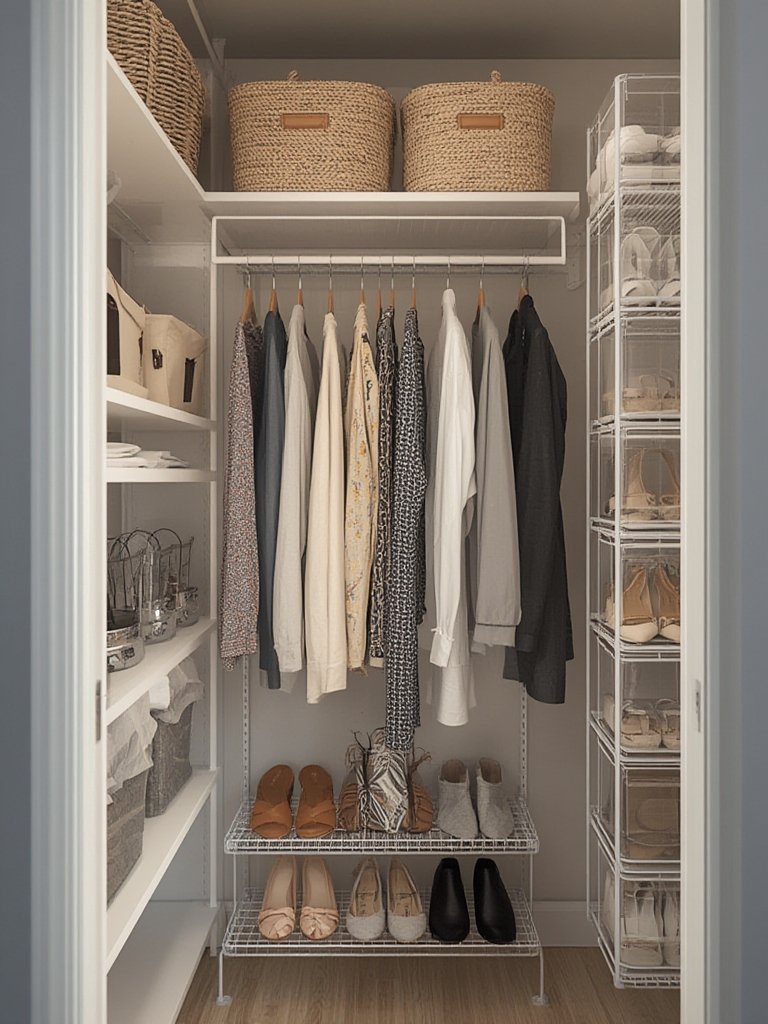
If you have a very shallow closet, use drawer dividers for clothes or under-shelf baskets. For more sustainable options, try sustainable closet organizers to maximize space without waste.
Advanced Analysis & Common Pitfalls: What to Avoid and Solve
Most people encounter the same troubles when they try to maximize vertical closet storage. Here’s what the research and reviews show:
- Shoe overflow: Lack of shoe racks causes piles on the floor, which block sliding doors and create daily frustration.
- Sliding door problems: Clutter prevents the full opening of doors, especially for short users or shallow closets.
- Space-saving hangers that don’t save space: Budget “slim” hangers add bulk due to thick construction, defeating the goal of maximizing vertical closet storage.
- Damaged or missing parts, vague instructions: Complaints about unclear manuals and broken pieces are common with vertical closet shelves.
- Lack of tailored advice: Few guides explain how to adapt solutions for different ceiling heights or very deep vs shallow closets.
| Common Pitfall | What Happens | How to Fix |
|---|---|---|
| Thick “slim” hangers | Less space for clothing | Buy true slimline hanger brands with verified reviews |
| Poor-quality vertical closet shelves | Sag under load, break during install | Check weight capacity specs, select wood/metal not laminate |
| Insufficient measurement | Mismatched racks that don’t fit | Always measure closet height and depth first |
| No shoe rack/bins | Floor remains cluttered, doors don’t close | Install shoe racks or bins in zone 1 (floor) |
For more specialized configurations, explore small closet organizer systems with modular adaptability. For a complete wire shelving solution tested in real homes, our wire shelving system review covers everything you need to know.
Conclusion — Realistic Expectations and Next Steps
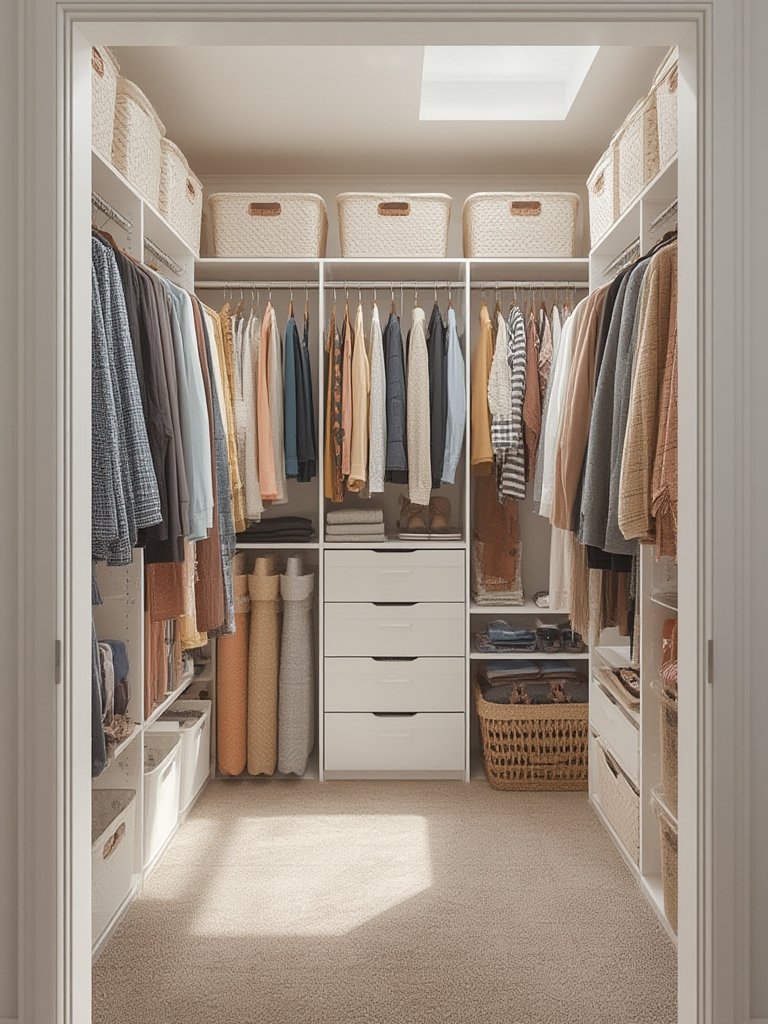
The best path is to combine your own measurements with proven vertical storage solutions, document your before-and-after results, and fix common pitfalls for your closet type. When you maximize vertical closet storage, you boost usable space, reduce daily frustration, and gain a closet that adapts to your needs. Ready to start? Use the weekend plan above and check the buying checklist to avoid product regret. Want even more practical tips? Don’t miss our essential guides to drawer organizers sets and expandable drawer organizers for the rest of your space.
FAQs About Maximizing Vertical Closet Storage
What’s the best vertical closet storage solution for renters?
Choose no-drill or wall-hanging systems that won’t damage drywall or doors. Look for lightweight, modular shelves and wall shoe racks. For more renter-friendly ideas, check no-drill closet organizers.
How do I avoid “slim” hangers that actually take up more space?
Read verified reviews closely before buying. Genuine skinny hangers are usually less than 0.3 inches thick. Avoid thick-plastic discount packs, which add bulk and don’t maximize vertical closet storage.
Should I install upper shelves if my ceiling is taller than 9 feet?
Yes, but only if you can safely access them — tools like pull-down rods or a stable stepladder make the upper zone usable. Otherwise, reserve this space for rarely used items in labeled bins.
What key specs matter for vertical closet shelves?
Prioritize weight capacity per shelf, sturdy brackets, adjustable shelf height options, and MDF/solid wood or powder-coated metal — not weak plastic. Warranty and clear install instructions are also musts.
How do I check if a system will fit my closet with sliding doors?
Measure from wall to door track and from floor to the bottom of the track — not the ceiling. Leave at least 1 inch of clearance so doors can open fully once shelves are installed.