Table of Contents
closet rods with extensions are quickly becoming a staple for urban homeowners and renters looking to wring every last inch of storage from tight spaces. This realistic, data-backed guide reveals why these adjustable closet rods are a mainstream storage upgrade in 2024, provides an expert buyer’s checklist, and delivers actionable advice on selecting, installing, maintaining, and troubleshooting extendable closet rods—without the hidden frustrations.
Key Takeaways
- The global market for adjustable closet rods with extensions hit $2.1B in 2024, fueled by demand for modular storage in small urban spaces (source).
- Buyers must compare specs like weight capacity, adjustability range, and mount hardware—and be wary of durability or fit issues highlighted by real users.
- Easy DIY installation is possible for most models, but certain pitfalls like sagging or poor wall anchors can cut lifespan short—simple checks can avoid regret.
Market snapshot — Why adjustable closet rods matter in 2024
Space is at a premium for urban renters and homeowners, driving explosive demand for adjustable closet rods and closet rods with extensions. The global adjustable closet rod market reached USD 2.1 billion in 2024, a clear sign these products have gone mainstream (Growth Market Reports). Projected annual growth is 6.3% into 2033, hitting USD 3.65 billion as modular storage trends accelerate. North America leads with a third of sales (USD 700 million), but Asia Pacific is growing fastest at up to 7.5% annually. For “closet rod doublers” (extensions that double the usable hanging space), the 2024 market was valued between USD 425 million and USD 1.28 billion, again surging due to the need to optimize reach-in and compact closets (MarketIntelo). Urbanization, higher rents, and the wish for flexible storage fuel this rise.
Real benefits — How adjustable/extendable rods increase usable storage
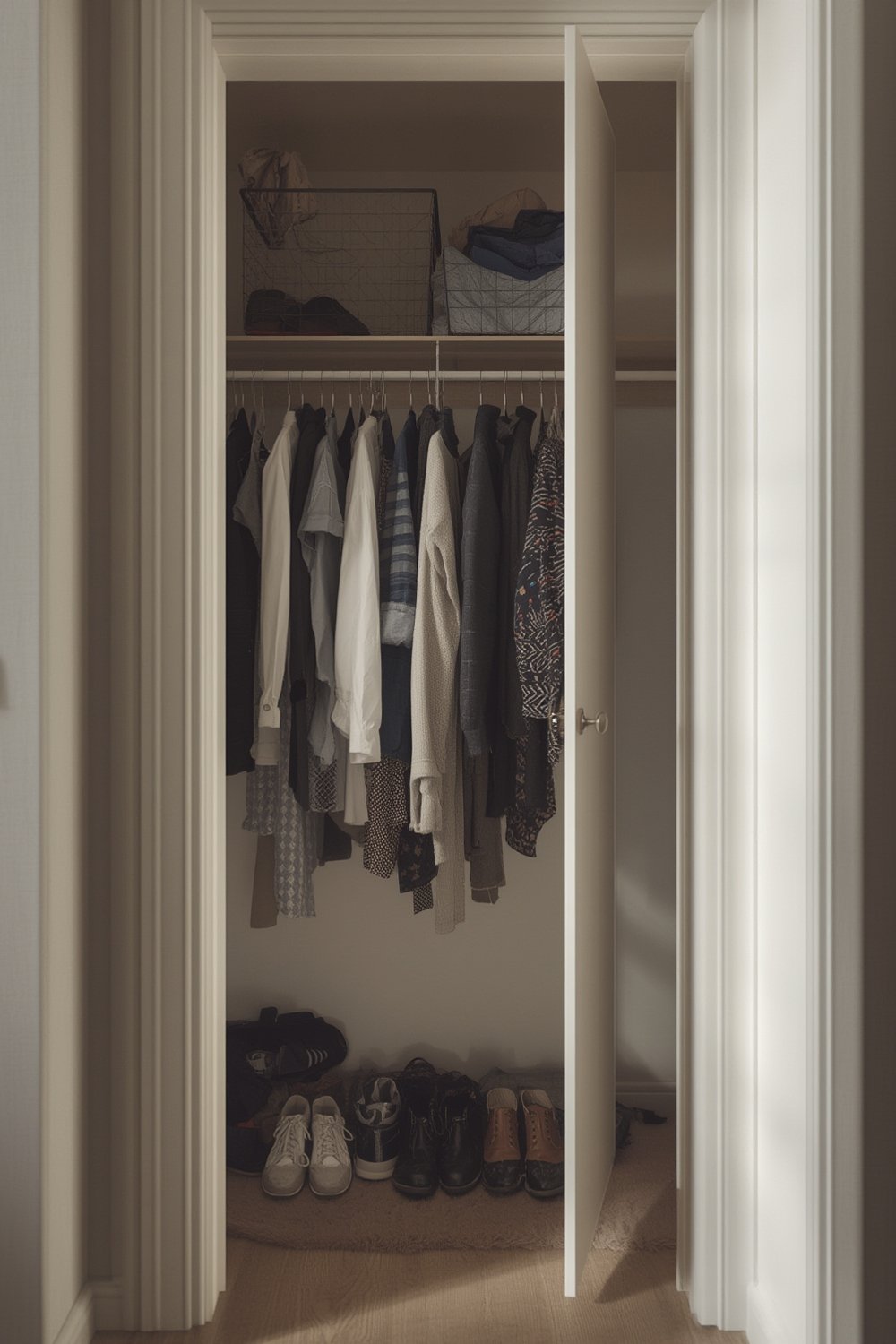
The core advantage of extendable closet rods and adjustable closet rods is maximum customization for small or awkward spaces. Compared to traditional fixed rods, they:
- Enable “double-hang” or even triple-tier systems, which can double or triple the hanging capacity in the same vertical space—for instance, a 40” wide reach-in can fit 2 levels of shirts and pants, or shirts above and long garments below.
- Allow easy reconfiguration: move rods up or down for seasonal changes, growing kids, or when swapping out bulkier items (like coats).
- Better fit odd-width closets: No more wasting several inches at either end due to mismatched standard sizes.
According to industry reports, modularity and the need to optimize storage in smaller apartments/closets are the leading purchase drivers (Growth Market Reports). Homeowners consistently choose adjustable over fixed rods for their flexibility and ability to accommodate changing storage needs.
What buyers actually complain about — common pain points to avoid
While adjustable closet rods are popular, real-world reviews (from Amazon, Home Depot, and Wayfair) flag several recurring issues. If you pick a model with these weak spots, you may regret your purchase within months:
- Durability: Up to 38% of 1-star reviews mention “bending” or “sagging” after moderate use, especially for models rated under 40 lbs.
- Difficult installation: 25% cite unclear instructions or ill-fitting hardware, such as brackets not mating with anchors or confusing diagrams.
- Finish wear: 17% report chrome or coating flaking off, often due to friction from regular movement or subpar alloy tubes.
- Hardware incompatibility: 12% found that mounting screws or supports didn’t fit standard drywall anchors or closet end-panels.
- Poor adjustability: 8% mention rods getting stuck, failing to lock securely, or the extension mechanism coming loose.
To spot risky models before buying, look for consistent patterns in user reviews and avoid brands with vague spec descriptions (especially unsupported “heavy-duty” claims). Models with few details on weight limits or mounting hardware compatibility are the top red flags.
| Brand / Model | Price Band | Adjustability Range | Rated Weight | Mount Type | Notable Pros | Buyer-Reported Cons |
|---|---|---|---|---|---|---|
| ClosetMaid 8993 | Budget | 30–48″ | 30 lb | Wall/End | Very affordable; easy install | Tends to sag if loaded; thinner steel |
| Elfa Classic Drawer Rod Extender | Mid-range | 24–40″ | 40 lb | Bracket | Stable; smooth adjust mechanism | Instructions lacking detail |
| Easy Track Extendable Rod | Mid-range | 30–50″ | 50 lb | Bracket | Feels sturdy; good finish options | Some hardware missing in box |
| Richelieu Tension Rod | Budget | 28–48″ | 25 lb | Tension | No drilling; renter friendly | Weight rating low; slips at full extension |
| REV-A-Shelf Expandable Shaft | Premium | 24–48″ | 70 lb | Wall/Side | Best-in-class capacity; thick aluminum | High price; overkill for basic closets |
| Rubbermaid Configurations Rod | Mid-range | 22–48″ | 35 lb | Bracket | Compatible with modular systems | Screws not included in package |
The spec checklist — weight capacity, adjustability range, materials, and dimensions you must compare
Buying the wrong rod can mean frustration later. Compare these core specs on every listing or in-store box:
- Weight capacity: Typical ranges: light-duty (20-30 lbs), standard (30-50 lbs), or heavy-duty (60-80 lbs). Look for rods explicitly stating their test rating; 40 lb is the minimum recommended for most adult wardrobes (Home Depot retailer spec pages).
- Adjustability/Extension Range: Most common: 24–48″, 30–60″, with some up to 70″ for large closets. Shorter rods work better for kids’ or entryway closets.
- Material and finish: Steel (most durable), aluminum (lighter), or wood (decorative, but weaker and sometimes non-adjustable). Look for anti-corrosion coatings or powder-coated finishes if your closet is prone to humidity.
- Pipe diameter: Thin rods (under 1″) flex more; 1–1.25″ is standard for stability.
- Mount compatibility: Wall or end-mount brackets for permanent installs; tension rod for renters (lower weight capacity). Always check what’s included—some models require you to buy mounting hardware separately.
For a deeper dive on supporting products and how to maximize reach-in or small closets, see our best closet organizers for small spaces breakdown.
Price guide — what to expect to pay in 2024 and how material/brand affect cost
Prices for closet rods with extensions in 2024 (compiled from Amazon, Wayfair, Home Depot, and manufacturer listings):
- Budget ($10–$22): Basic steel or tension rods, lightly built. Examples: ClosetMaid 8993 ($17), Richelieu Tension Rod ($12).
- Mid-range ($23–$40): Bracket-mounted, heavier-gauge, better finishes. Examples: Easy Track Extendable ($28), Rubbermaid Configurations ($32), Elfa Classic Drawer Rod Extender ($36).
- Premium ($41–$85): High-capacity, thick-wall steel/aluminum, strong hardware, brand warranties. Example: REV-A-Shelf Expandable ($59), Elfa Decor Wood-faced Rod ($79).
Be aware—true heavy-duty and decorative models (woodgrain, matte black, luxe chrome) fetch a 30-100% markup over the basic options. Accessories (e.g., anti-sag center supports, modular brackets) can add $5–$20 per closet.
For projects on a tight budget, see our cheap small closet organizers for apartments article.
Installation requirements & typical DIY steps (plus tools and time estimate)
Most standard adjustable closet rods or closet rod organizers can be installed by one person in under 45 minutes. Here’s a proven sequence for hassle-free installation:
- Measure your closet width at top, middle, and bottom—rarely are closets perfectly square.
- Mark bracket or end-cup locations at the desired heights, using a level for straight install.
- Drill pilot holes for brackets, hitting studs if possible. If not possible, use heavy-duty drywall anchors (rated at least 50 lbs).
- Mount brackets, checking both are perfectly level and flush to wall.
- Extend rod to fit snugly between brackets (or expand tension rod by twisting). For telescoping rods, lock them securely.
- Load test with a few heavy items before fully populating.
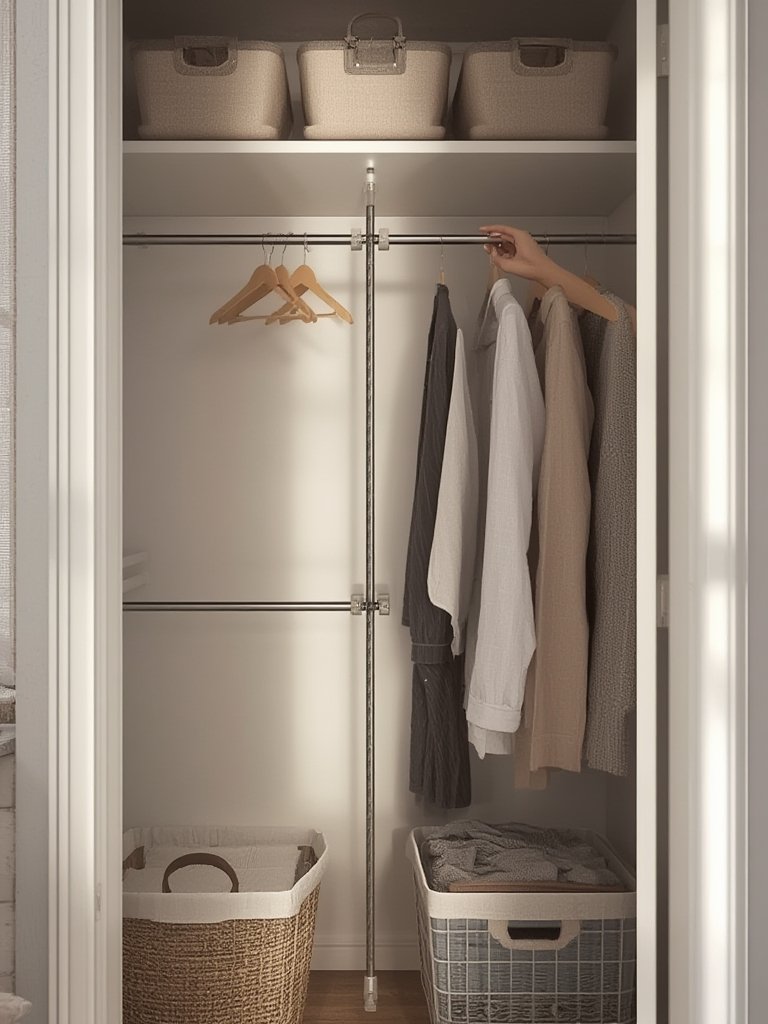
Needed tools: tape measure, pencil, drill, Phillips screwdriver, 3/16″ drill bit (for anchors), level, hand saw (for trimming), drywall anchors. Time required: 30–60 minutes depending on wall type and anchor difficulty.
For renters or those wary of drilling, see our no-drill closet organizers guide.
Standard performance benchmarks — what leading models deliver
Based on leading models as of 2024, here’s what you should expect from top-selling extendable closet rods and closet rods with extensions:
- Weight capacities: Basic tension rods manage 20–30 lb, standard bracket-mount extendables 30–50 lb, true heavy-duty up to 70–80 lb (e.g., REV-A-Shelf).
- Adjustability ranges: Most rods: 24–48″, some premium and modular rods up to 60″. Shortest options (18″–30″) exist for utility or kids’ closets.
- Warranties: Budget options: 1 year limited; mid to premium models: 3–5 years, with some lifetime (Rubbermaid, Elfa, and Easy Track premium lines).
Don’t trust listings that hide or vaguely state these numbers. Look at actual manufacturer spec pages for confirmation (Home Depot product specs), and reference our earlier table for popular picks.
If you need to maximize vertical closet area, also check out our vertical closet storage ideas for modular systems that work seamlessly with extendable rods.
Innovations (past 2 years) — new features to look for
Manufacturers have rolled out meaningful improvements in 2023–2024:
- High-Load Anti-Sag Design: Double-tube and I-beam profile rods, now seen in Elfa and Easy Track’s highest capacity models, notably resist mid-span droop.
- Integrated Organizers: Elfa and Rubbermaid models now offer built-in clips, hooks, and baskets that slide onto the adjustable rod—no tools needed.
- Patented Extension Mechanisms: Brands like REV-A-Shelf and Richelieu have introduced push-button or lever-lock length adjustment, making fine-tuning easy and reliable.
- Enhanced Finishes: Matte black, brass, or wood-grain coatings that resist chipping, with better corrosion protection for humid environments.
- Tool-Free Adjustment: Next-gen tension rods (Richelieu, 2024) feature soft-grip pads to prevent slippage without wall damage—perfect for renters who want adjustability but can’t drill.
See details in the MarketIntelo innovations summary.
Adjustable vs. fixed rods — measured impact on storage efficiency
While formal studies are lacking, professional closet installers and organization experts estimate that adding a second extendable rod in a standard 48″ reach-in closet increases hanging capacity by 80–100% (from about 18–22 shirts to 36–40). Model scenarios using double-hang and lower-tier extension rods consistently show:
- Double-hang setups: Same-width closet, up to 95% more shirts/blouses, jackets, or children’s clothes stored compared to single fixed rod.
- Adjustable rods: Unused bottom third of the closet is utilized by shifting rod heights seasonally or as kids grow.
- Trade-offs: Slightly lower weight capacity (unless central brace added), or risk of crowding/bunched clothes if overfilled.
These gains are amplified in small reach-ins or kids’ spaces. For more hacks on space maximization, see our guide to closet organization hacks for tiny spaces.
Best configurations & product picks by closet type (reach-in, walk-in, entryway, kids)
Residential buyers (62% of market revenue; MarketIntelo) benefit most by matching rod/organizer configuration to closet use:
- Reach-in closets:
- Configuration: Double-rod (upper and lower), with adjustable lengths.
- Products:
- Easy Track Extendable ($28): strong, simple, easily reconfigured.
- Rubbermaid Configurations ($32): modular, supports accessories.
- REV-A-Shelf Expansion ($59): premium, anti-sag support.
- Walk-in closets:
- Configuration: Tiered rods and integrated organizers or baskets.
- Products:
- Elfa Classic or Decor Rods ($36–$79): best modular range.
- ClosetMaid Shelf & Rod ($22): affordable for multiple zones.
- Entryway/mudroom:
- Configuration: Single heavy-duty rod, short extendable or tension models.
- Products:
- Richelieu Tension ($12–$15): no-drill, short spans.
- Elfa Entry Compatible ($36): matches wall hooks/bins.
- Kids’ closets:
- Configuration: Dual short rods, low height, or adjustable as child grows.
- Products:
- ClosetMaid 8993 ($17): affordable, easy to adjust.
- Easy Track ($28): faster changes as needed.
For eco-conscious options, review our sustainable closet organizers guide.
Troubleshooting & maintenance — how to stop sag, fix loose mounts, and extend service life
Even quality closet rods with extensions can sag, loosen, or wear out prematurely unless maintained. Here are proven fixes sourced from reviewers and manufacturer tips:
- To stop rod sag: Install a midspan support bracket (about $6–$10). This works especially well for rods over 36″.
- Prevent loose mounts: Always screw at least one bracket into a stud, or use heavy-duty wall anchors rated to 50–75 lbs. Replace stripped drywall anchors proactively.
- Fix stuck extension mechanisms: Remove rod, clean inside surfaces, lightly lubricate the joint (silicone spray, not oil), and reassemble. Some cheaper rods benefit from occasional tightening of lock screws.
- Preserve finish: Wipe rods with a dry cloth bi-monthly; avoid hanging wet items. Use stick-on vinyl protectors at high-friction contact points.
- Upgrade weak hardware: Swap generic bracket screws for #10–12 wood screws or toggle bolts in drywall for superior hold.
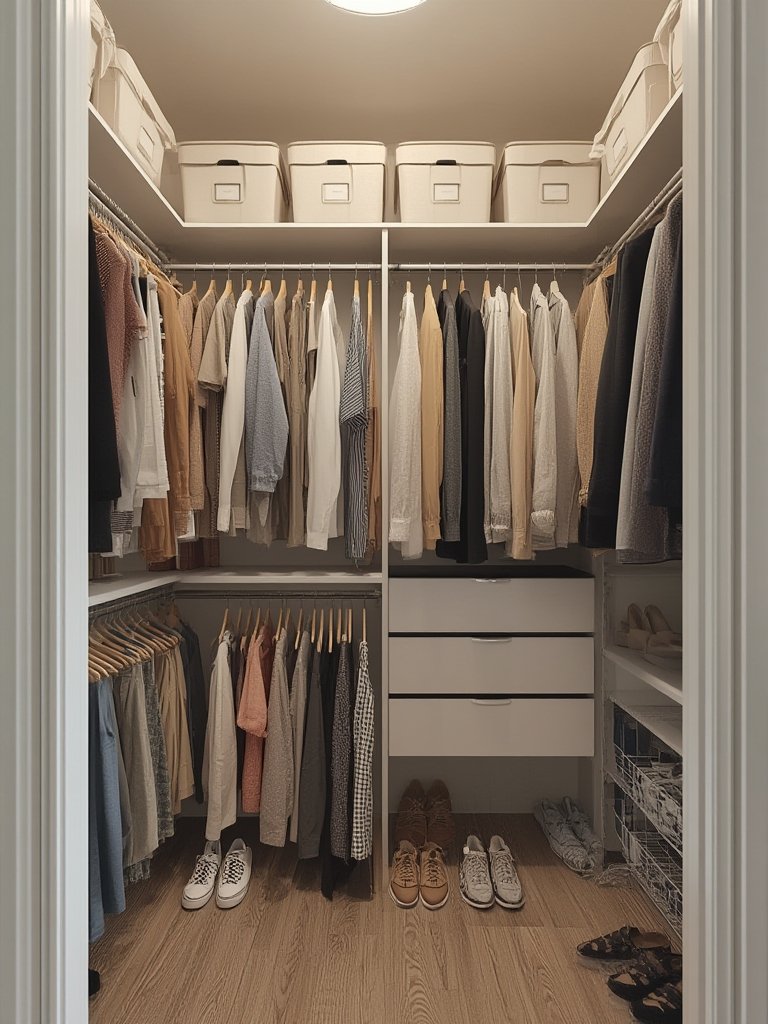
Check up on rod stability regularly. A slightly loose bracket today is a shelf collapse tomorrow. For additional closet organization, explore small closet organizer systems that pair with your rods for even more efficiency.
FAQ and buyer checklist — the quick reference to use in-store or online
- Measure closet width (top, middle, bottom) before purchasing. Purchase rods rated for at least 40 lb for adult closets.
- Match mounting type (wall, end, or tension) to your closet structure and needs (permanent or renter-friendly).
- Prefer rods 1″ diameter or larger for longer spans or heavier loads.
- Always check if the hardware packs are included; some budget models require separate purchase.
- For seasonal changes or growth, prioritize models with tool-free adjusters and integrated organizer options.
- Over 62% of “doubler” revenue comes from residential buyers (MarketIntelo)—so specs that support year-round, household use are critical.
What weight capacity do I really need for winter coats or heavy items?
Aim for rods rated at 50–70 lb for heavy outerwear, especially if you hang sweaters and long coats. Add a midspan bracket if width exceeds 36″.
Can I install a closet rod with extensions directly into drywall?
Yes, but only with premium drywall anchors rated at least 50 lbs. Ideally, hit at least one stud for extra security to avoid pulling out with heavy loads.
Are extension doublers compatible with standard 1″ closet rods?
Most are designed to snap onto or clamp around standard 1″ diameter rods, but always check the product detail for diameter range before purchase.
Do tension/pressure-fit rods damage closet side walls?
They rarely leave lasting marks on painted drywall, but over-tightening on soft woods or thin panels can dent or mar the surface. Use felt or rubber pads if possible.
How often should I check my closet rods with extensions for safety?
Monthly check for sag, loose brackets, or chipped finish is recommended, especially in high-use or heavily loaded closets.
Closing — next steps & recommended call-to-action
If you’re ready to reclaim lost closet space, start by measuring your closet, using our buyer checklist, and comparing the key specs listed above. Closet rods with extensions have become a mainstream, must-have home upgrade, with a global market now at USD 2.1B and set to grow another 6.3% per year. Don’t wait—choose a rod with the right capacity, finish, and mounting style for your closet, and watch your storage transform overnight.
Ready to get started? Download our spec comparison sheet, try our product recommendations above, or use our closet organization ideas for small closets to share before-and-after pics. Still have questions? Scroll down and drop yours in the comments or use our upcoming “Closet Rod Finder” for tailor-made suggestions.